
Digital Sovereignty

The take
State bureaucrats want you to believe digital sovereignty is a shield for your personal data, but the real cost is a protectionist trap designed to lock you into slow, overpriced domestic tech cartels while making it easier for local governments to wiretap their own citizens.
The Tell
Local cloud, local monopoly, same surveillance with a flag on it.

Stakes
This fight matters because it replaces global, high-performance innovation with a balkanized web of state-approved digital toll booths. When governments dictate where data must live, they are not protecting your privacy from foreign monopolies; they are protecting their own domestic tech monopolies from having to compete, leaving you with higher bills and a government that holds the master key to your digital life.
Source Dispatch
The read
The official narrative paints digital sovereignty as a noble, democratic crusade to secure national infrastructure and keep citizen data out of the hands of greedy American tech giants.
Proponents argue that without local data storage and state-sanctioned software, a nation is essentially a digital colony, vulnerable to foreign surveillance and sudden platform deplatforming. It sounds like common-sense national security.
In reality, this is a regulatory wall erected by slow, uncompetitive domestic industries that cannot win on merit.
By leveraging complex compliance frameworks like GDPR and pushing state-backed initiatives like Gaia-X, European regulators force local businesses to abandon superior, cheaper American cloud providers.
The result is a captive market where domestic companies are legally obligated to buy inferior local tech at a premium. What the state-approved champions never mention is the surveillance trade-off.
It is incredibly difficult for a European bureaucrat to easily wiretap a decentralized global cloud without a massive legal fight.
By forcing all citizen data onto localized, state-championed servers, governments ensure that the data is always within arm's reach of their own domestic intelligence agencies.
In the wild
- The European Union's multi-billion-euro push for 'sovereign cloud' initiatives designed to shut out American hyperscalers.
- French and German data-localization mandates requiring public sector data to be hosted exclusively on domestic servers.
- The slow-motion collapse of Gaia-X, the state-backed European cloud project that prioritized bureaucratic consensus over actual working software.
Related
 Terminally onlineTerminally Online is when the feed's stakes feel more real than your actual life. Likes, outrage loops, and timeline drama become the OS; IRL is the side quest.
 SaaspocalypseThe joke stopped being a joke. Vibe-coded custom tools are eating the monthly SaaS stack one workflow at a time. That slaughter is Saaspocalypse.
 AI SlopPlatforms pay for volume, so the machine floods your feed with filler until the real stuff drowns. That sludge is AI slop.
 NewsjackNewsjacking is when a brand or influencer hijacks a trending news story or event to promote their own sh*t. Basically the digital equivalent of an ambulance chaser, but for clicks.
 Vibe CodingVibe coding was sold as everyone becoming a software mogul. What it actually does is liquidate entry-level coding jobs and leave the high-agency architect as the only adult in the room who can debug the beautiful mess a model spat out in three seconds.
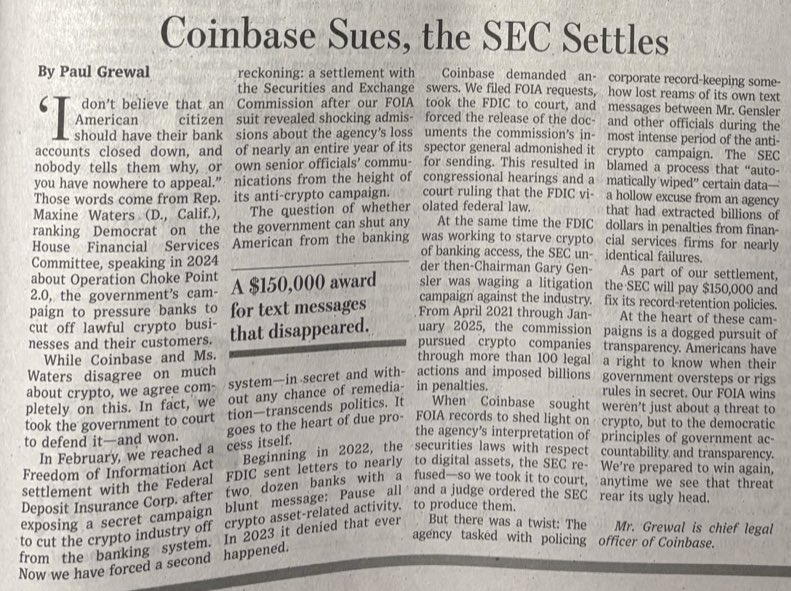 Chokepoint 2.0When the administrative state realized it couldn't pass a law to ban crypto, they decided to just quietly choke off the industry's banking access. Chokepoint 2.0 is the coordinated, back-channel pressure campaign by federal regulators to force banks into dumping legal digital asset firms.
Gifnotes poster
Sources
FAQ
Isn't keeping data local safer for national security?
Only if you assume your own government is a benign actor that never abuses its power. Localizing data makes it easier for domestic agencies to bypass international legal hurdles and monitor their own citizens under the guise of national security.
How does this affect everyday businesses?
It forces them to use overpriced, underperforming local hosting and software providers to comply with data-residency laws, driving up operational costs and slowing down their ability to scale globally.
Who actually benefits from digital sovereignty laws?
Uncompetitive domestic tech firms that get a guaranteed, legally mandated customer base, and state regulators who gain centralized control over the flow of information within their borders.