The LDF

The take
The LDF is Meta's strategic cartel disguised as an open-source charity, designed to commoditize the AI model layer and starve proprietary rivals of their software margins. Understanding this trap is essential because it reveals how tech giants use the language of public-good philanthropy to run a classic margin-shredding play against closed-source competitors.
The Tell
The LDF: giving away the engine for free so they can charge you a fortune for the gasoline.

Stakes
This cartel matters because it shifts the power from software developers to the infrastructure kings. By making the AI model layer free, the coalition ensures that the real profits are captured by those who control the physical chips and the massive distribution networks, leaving independent software startups with zero pricing power.
The read
The open-weights movement presents itself as a democratic crusade for technological sovereignty and decentralized innovation.
Under this framing, releasing model weights is a noble act of public defense, allowing researchers to audit code and developers to build without paying rent to a centralized gatekeeper.
It is a compelling narrative that has successfully rallied academic institutions, startups, and policy advocates to the cause of open science.
But the corporate backing of this alliance reveals a colder commercial logic. Meta and Nvidia are not running a charity; they are executing a textbook commodity-complement strategy.
By funding and distributing high-quality open models, they systematically destroy the subscription margins of closed-source rivals like OpenAI and Google.
If a free, open-weight model can perform eighty percent of the tasks of a proprietary one, the economic justification for expensive enterprise software subscriptions evaporates. The ultimate winners of this ecosystem are not the independent developers, but the hardware and platform monopolies.
Nvidia sells the massive GPU clusters required to run and fine-tune these open models, while Meta keeps users locked into its proprietary social graphs and distribution channels.
The open-source label serves as a highly effective moral shield, allowing tech giants to lobby against safety regulations while securing their own infrastructure dominance.
In the wild
- Yann LeCun aggressively lobbies global policymakers, framing open-source AI as an existential requirement for scientific progress and national sovereignty.
- Jensen Huang publishes an open letter co-signed by major tech firms, advocating for open-weights to prevent proprietary software lock-in.
- Meta releases its Llama series for free, forcing closed-source competitors to repeatedly slash their API pricing to remain competitive.
Related
 Terminally onlineTerminally Online is when the feed's stakes feel more real than your actual life. Likes, outrage loops, and timeline drama become the OS; IRL is the side quest.
 SaaspocalypseThe joke stopped being a joke. Vibe-coded custom tools are eating the monthly SaaS stack one workflow at a time. That slaughter is Saaspocalypse.
 AI SlopPlatforms pay for volume, so the machine floods your feed with filler until the real stuff drowns. That sludge is AI slop.
 NewsjackNewsjacking is when a brand or influencer hijacks a trending news story or event to promote their own sh*t. Basically the digital equivalent of an ambulance chaser, but for clicks.
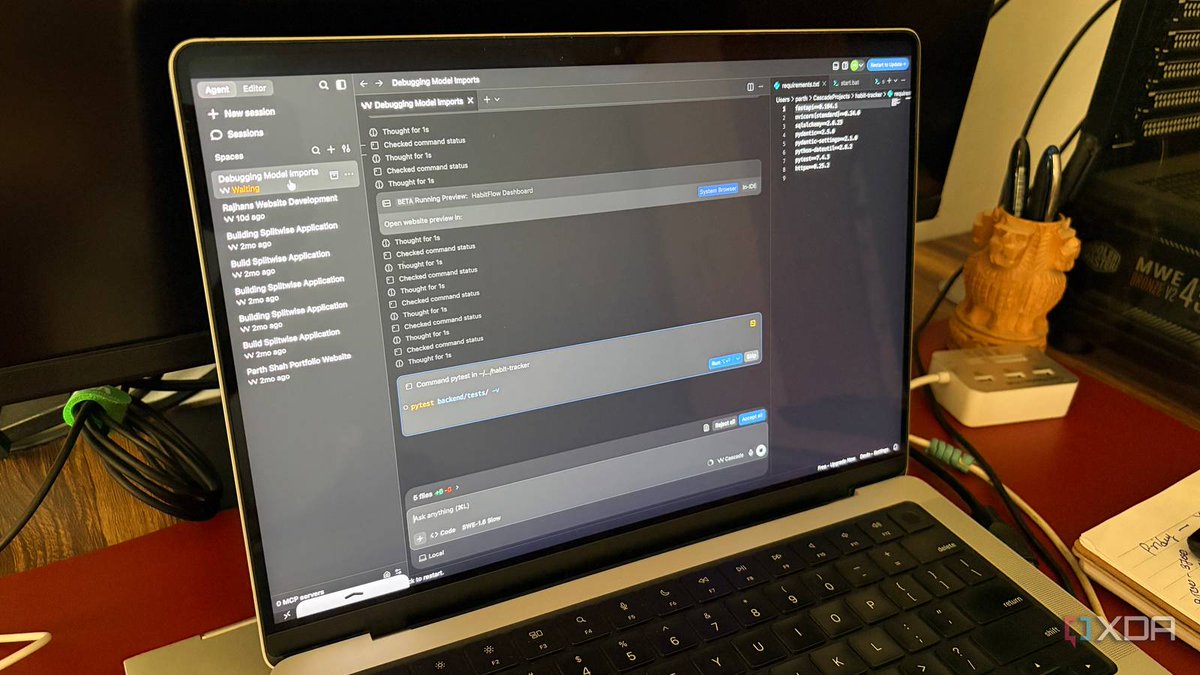 Vibe CodingVibe coding was sold as everyone becoming a software mogul. What it actually does is liquidate entry-level coding jobs and leave the high-agency architect as the only adult in the room who can debug the beautiful mess a model spat out in three seconds.
 Digital SovereigntyState bureaucrats want you to believe digital sovereignty is a shield for your personal data, but the real cost is a protectionist trap designed to lock you into slow, overpriced domestic tech cartels while making it easier for local governments to wiretap their own citizens.
Gifnotes poster
Sources
FAQ
Is the LDF actually an official organization?
It functions as a highly coordinated coalition of hardware giants, venture capitalists, and platform monopolies operating under the banner of open-source advocacy to shape policy and market standards.
Why does Nvidia support open-weight models if they do not own them?
Because open models require massive decentralized computing power to customize and run, which directly drives exponential demand for Nvidia's proprietary AI chips.
How does this strategy affect closed-source AI companies?
It aggressively drives down the market price of intelligence, making it incredibly difficult for companies relying solely on model subscriptions to recoup their multi-billion-dollar training costs.