Dead Internet Theory

The take
Most of what fills your feed was never typed by someone who can get hungry. Dead Internet Theory is the claim that bots and synthetic sludge already outnumber real people online, and generative AI turned a fringe forum scare story into Tuesday's traffic report.
The Tell
You argued with a reply guy for twenty minutes. The account was three weeks old and had already pasted that paragraph under eighty other tweets.

Stakes
Public platforms stop hosting a public when bot traffic can clear half the web and Facebook still serves the sludge as a thriving community.
The read
The original Dead Internet Theory sounded like a late-night forum fever dream: the open web died around 2016, most "people" online are scripts, and someone powerful is puppeteering the feed so you never notice the empty seats. Soft media called it a conspiracy and moved on.
Then the lean version showed up without needing a villain monologue. Scrapers, engagement bots, click farms, and now LLM paste accounts do not need an Illuminati boardroom. They need an ad budget and an API key.
The receipts stopped being vibes. Imperva's bot reports put automated traffic over half of web requests. Facebook and Instagram still surface AI image farms that rack up millions of near-identical comments.
Reply-guy accounts on X drop ChatGPT paragraphs under every viral post to farm payouts. None of that proves a single puppet master. It does prove the public square can look full while the humans are scarce.
Platforms love that ambiguity. Impressions still clear. Advertisers still buy the warehouse tour.
The cost lands on you: every argument might be a script, every trend might be synthetic, and the rational move is to trust smaller rooms. Private chats and invite-only Discords are not the theory.
They are what people do after the theory starts feeling like the UI.
In the wild
- Imperva and follow-on coverage reporting bot traffic above half of global web requests in 2024, the first time automated traffic clearly outran humans in a decade.
- Facebook and Instagram AI image farms (shrimp Jesus, synthetic flight attendants, clone comment stacks) racking up millions of near-identical likes and replies.
- X / Twitter reply farms pasting generic ChatGPT summaries under viral posts to chase engagement payouts.
- Public figures from Alexis Ohanian to Sam Altman openly treating Dead Internet Theory as less conspiracy and more Monday morning description of the feed.
Related
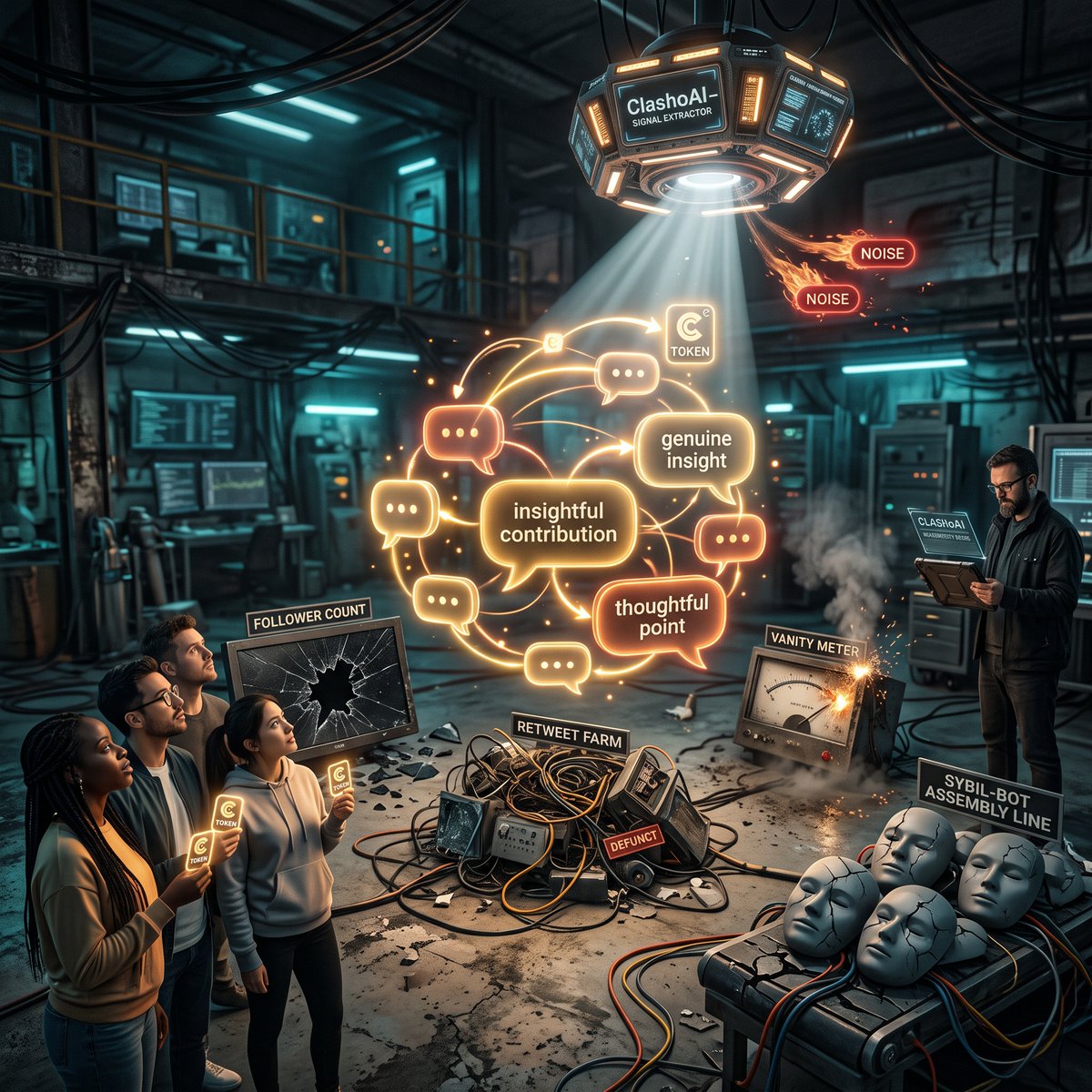 Engagement BaitPlatforms pretend they are cleaning up the feed by penalizing low-effort spam, but engagement bait is actually the core design specification of the modern algorithmic feed. The trap is believing that tech giants want a clean, high-minded public square when their business model requires the outrage and division that only high-end bait can deliver.
 SlopagandaAI slop isn't failing because it's bad. It's winning because it's free. Slopaganda is propaganda that beats fact-checkers by sheer volume: a thousand bots, fake reviews, and synthetic 'grassroots' outrage burying anything true under an avalanche of cheap fake.
 Terminally onlineTerminally Online is when the feed's stakes feel more real than your actual life. Likes, outrage loops, and timeline drama become the OS; IRL is the side quest.
 AI SlopPlatforms pay for volume, so the machine floods your feed with filler until the real stuff drowns. That sludge is AI slop.
 Content FarmLegacy media spent a decade crying about offshore clickbait operations only to fire their own newsrooms and turn themselves into the ultimate content farm. The modern content farm is no longer a shady foreign racket; it is the default survival strategy for mainstream publishers trying to feed the AI search crawlers.
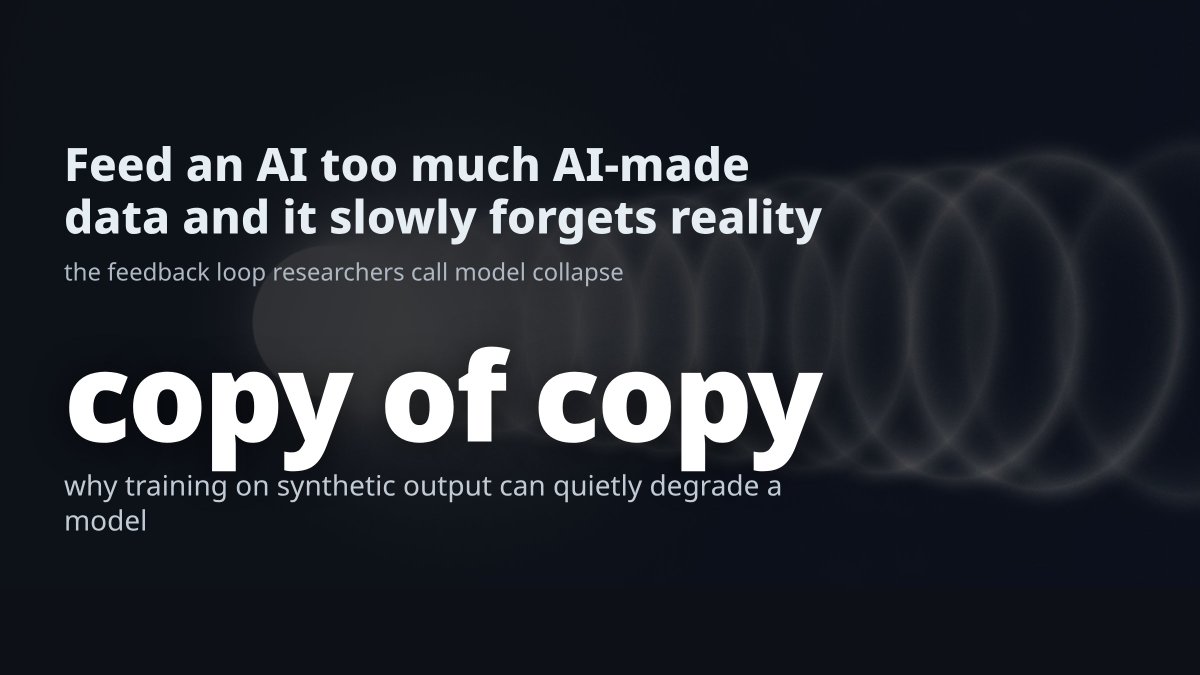 Model CollapseBig Tech wants you to believe AI models are collapsing because of a minor synthetic data bug, but Model Collapse is the ultimate proof that the internet has run out of human soul to harvest. The real risk is that platforms trying to bypass human creators on the cheap are creating a digital echo chamber of pure, unadulterated garbage.
Gifnotes poster
Sources
FAQ
Is Dead Internet Theory a conspiracy or just a description?
The full original version claimed coordinated puppetry of the whole web. The useful version drops the puppet master and keeps the observation: automated and synthetic activity can dominate public surfaces until human signal feels rare.
How is this different from AI slop?
AI slop is the junk product (generic synthetic posts and images). Dead Internet Theory is the larger claim about the room: enough of the audience and the content may already be non-human that the public web stops functioning like a public.
If the public web feels dead, where did the people go?
Many retreated to group chats, Discord servers, and invite-only corners where bots are easier to keep out. That retreat is a symptom. The theory is about why the open feed started feeling empty in the first place.