
Green Desert

The take
The corporate promise of hyper-efficient agriculture hides a demographic trap: a Green Desert where perfect geography is fully monetized but completely sterilized of human life.
The Tell
The Green Desert: where the farming is hyper-efficient, the profits are booming, and the population is zero.

Stakes
When industrial efficiency treats human settlement as a friction to be optimized away, the cost is an empty map. Highly fertile land is transformed into a highly profitable corporate park where cows outnumber people three to one, leaving rural communities to rot while the balance sheet shines.
Source Dispatch
The read
The mainstream consensus celebrates automated mega-farms and high-tech ranching as the ultimate triumph of food security and economic productivity. It is a clean, corporate narrative where technology feeds the world with fewer hands.
But this efficiency has a dark side that corporate land monopolies prefer to ignore: it turns vibrant rural interiors into empty, eerie voids. In places like Uruguay, highly fertile land has been consolidated into low-labor cattle ranching and massive forestry operations.
The soil is incredibly productive, the exports are booming, and yet the interior is structurally empty. It is a landscape where twelve million cattle outnumber humans three to one, and the few remaining towns exist merely as service stations for passing timber trucks.
This is not a failure of geography, but a feature of modern capital allocation. When land is treated purely as an asset class to be optimized for the lowest possible headcount, the countryside ceases to be a place where humans live and becomes a giant, automated factory floor.
The wealth is exported to coastal capitals and foreign conglomerates, leaving behind a beautiful, green, and completely silent wasteland.
In the wild
- The interior became what geographers call a 'green desert': productive, profitable, and almost completely empty of human beings.
- Uruguay's highly fertile interior is a 'green desert' where low-labor cattle ranching requires almost no human labor, leaving the interior structurally empty while 12 million cattle outnumber humans three-to-one.
- Episode: The Uruguay Arbitrage: How a 'Green Desert' Became a High-Trust Retirement Sanctuary (https://www.youtube.com/watch?v=18kuhGtD2Ag)
Related
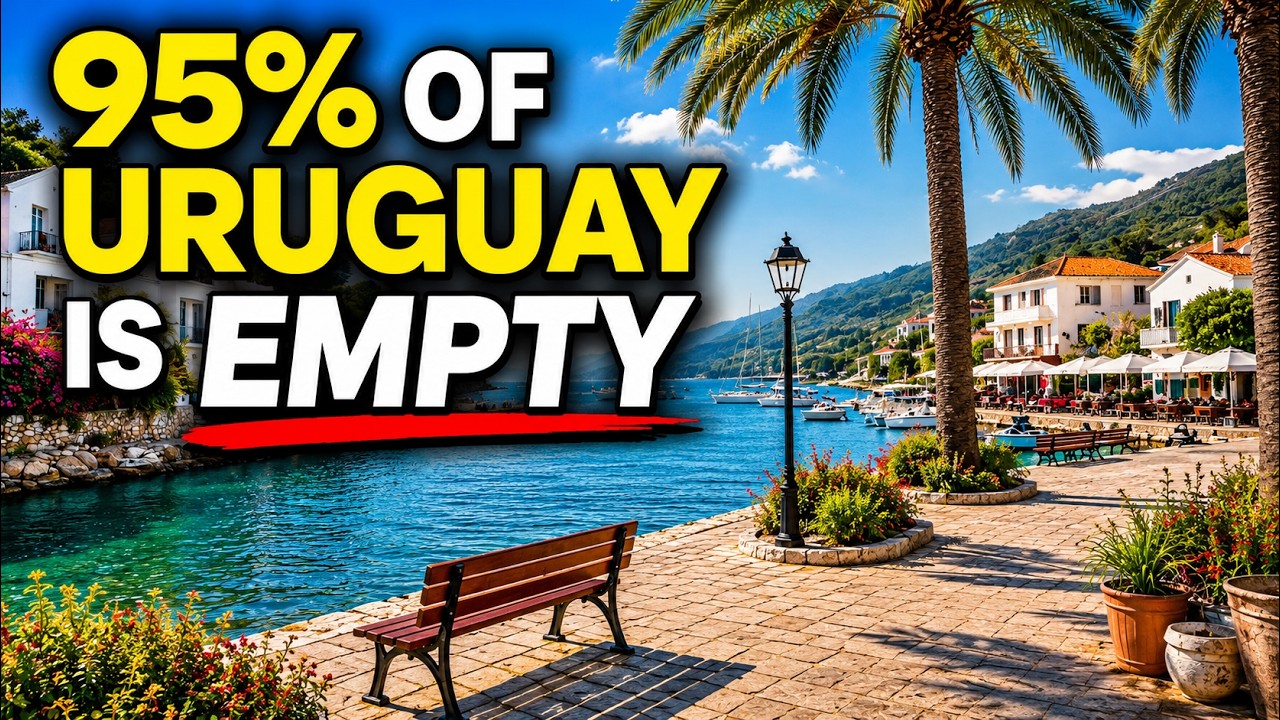 Empty Map InvitationMainstream economists see under-settled regions as developmental failures, but the Empty Map Invitation is the ultimate frame reframe where low-density geography becomes a high-trust, low-crowd luxury asset for sovereign individuals fleeing Western decay.
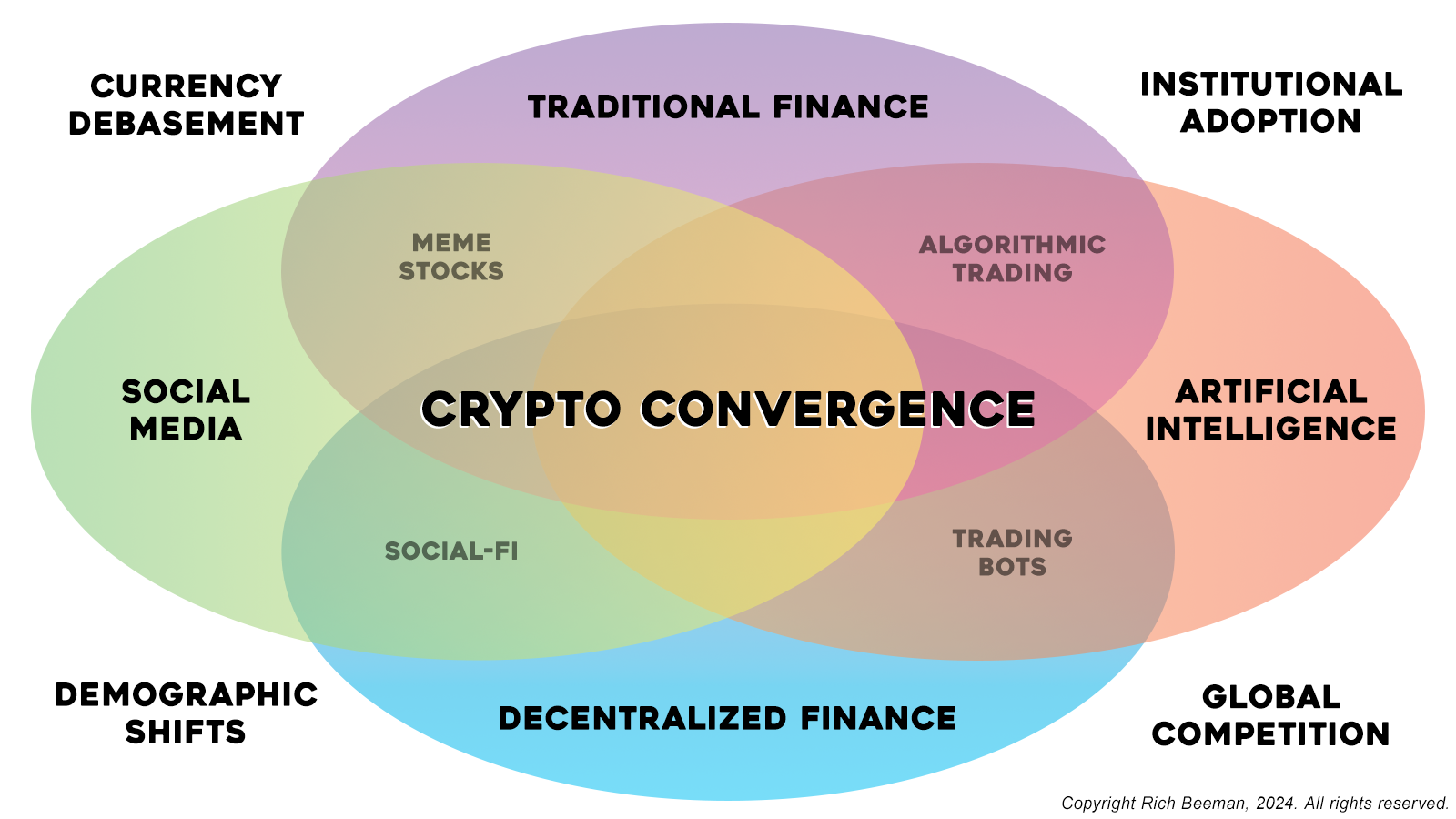 Crypto ConvergenceCrypto Convergence is what happens when DeFi, AI, social media, and TradFi stop pretending they are in different group chats. The winners will not be the slickest tech, they will be whoever owns the plumbing where all four meet, and it probably will not be you.
 Terminally onlineTerminally Online is when the feed's stakes feel more real than your actual life. Likes, outrage loops, and timeline drama become the OS; IRL is the side quest.
 NewsjackNewsjacking is when a brand or influencer hijacks a trending news story or event to promote their own sh*t. Basically the digital equivalent of an ambulance chaser, but for clicks.
 BEHODLBEHODL is Gifdead's unserious-serious mashup of behold and HODL: look at this, and maybe don't panic-sell your personality. It's the internet's way of saying, "Pay attention, but don't let the algorithm or the mob dictate your next move."
 Sustainable FarmingThe global push for sustainable farming has been weaponized by ESG cartels to replace actual food production with carbon-credit compliance theater, forcing family farms into bankruptcy so corporate land trusts can buy the dirt. The real risk is that we trade food security for green spreadsheets.
Gifnotes poster
Sources
FAQ
How does a region become a Green Desert?
It happens when highly fertile land is consolidated by corporate monopolies and optimized for low-labor industries like automated forestry or cattle ranching, which generate massive profits but require almost zero human labor to operate.
Is this the same as a natural desert?
No. A natural desert lacks water and life. This phenomenon occurs in lush, highly productive, and fertile regions that are economically booming but have been systematically emptied of human population and local communities.
Why should local governments care about this trend?
Because while GDP and export metrics look fantastic on paper, the interior of the country loses its tax base, schools, and local economies, leaving the nation highly centralized in a single coastal city while the rest of the map is hollowed out.