
Zero-Resale Monopoly

The take
Publishers want you to believe digital-only consoles are about sleek convenience, but the real trap of the Zero-Resale Monopoly is the permanent destruction of secondary markets to lock you into a lifetime of seventy-dollar digital leases.
The Tell
Seventy bucks for a game you cannot keep. Library deletes itself.

Stakes
This shift matters because it strips players of basic property rights, turning a one-time purchase into a fragile, revocable license that can be deleted from your hard drive whenever a corporate licensing agreement expires.
Source Dispatch
The read
The mainstream narrative says physical discs are a relic of the past, phased out because players demand the seamless ease of instant downloads. It sounds like progress until you realize that removing the optical drive is a calculated enclosure of the ecosystem.
Without physical media, there is no used-game market, no lending to a friend, and no retail price competition. You buy from one store, at one price, set by one landlord.
To see where this leads, look at how Sony, Microsoft, and Ubisoft already treat digital catalogs. When a publisher loses a music or car license, the game simply vanishes from digital storefronts, sometimes even disappearing from libraries you already paid for.
By stripping disc drives from mid-gen console refreshes, hardware makers are quietly outlawing the secondary market under the guise of minimalist living room aesthetics.
This is the end of digital ownership. If you cannot sell it, trade it, or play it offline without a server handshake, you do not own it.
You are just renting an app at premium retail pricing, waiting for the day the publisher decides to turn off the lights.
In the wild
- Sony quietly removes purchased Discovery TV shows from PlayStation user libraries due to licensing expirations, proving digital purchases are temporary leases.
- Microsoft releases all-digital Xbox Series X and S consoles, accelerating the industry-wide push to phase out physical retail discs entirely.
- Ubisoft executives state that gamers need to get 'comfortable with not owning your games' as the industry transitions to subscription-only models.
- Episode: The War Against Video Game Ownership (https://www.youtube.com/watch?v=Z9ZkDe-xw8Q)
- They want to retain ultimate control of your entire library of games, with the ability to shut it off and rob you at any moment.
Related
 AI SlopPlatforms pay for volume, so the machine floods your feed with filler until the real stuff drowns. That sludge is AI slop.
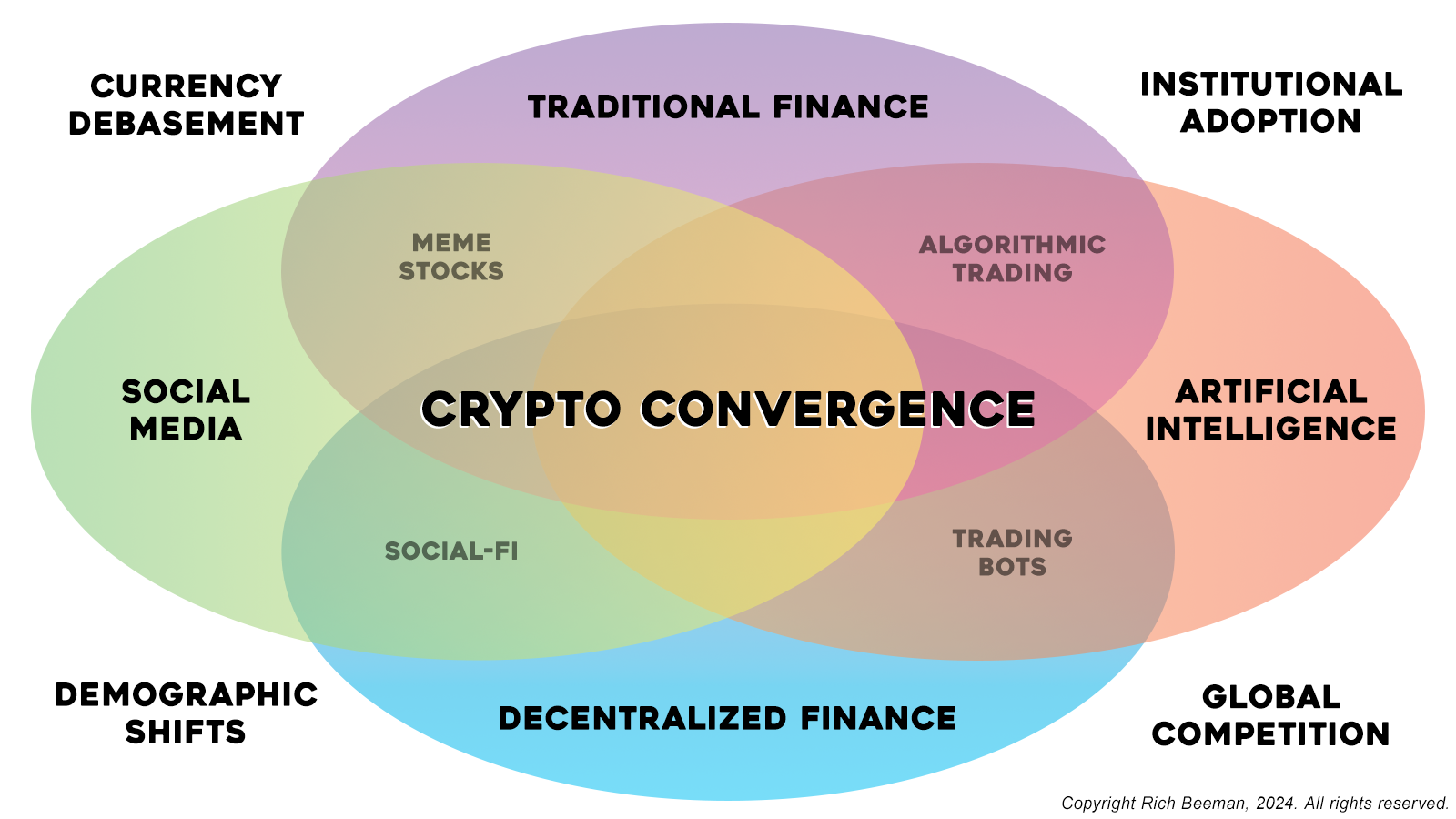 Crypto ConvergenceCrypto Convergence is what happens when DeFi, AI, social media, and TradFi stop pretending they are in different group chats. The winners will not be the slickest tech, they will be whoever owns the plumbing where all four meet, and it probably will not be you.
 Terminally onlineTerminally Online is when the feed's stakes feel more real than your actual life. Likes, outrage loops, and timeline drama become the OS; IRL is the side quest.
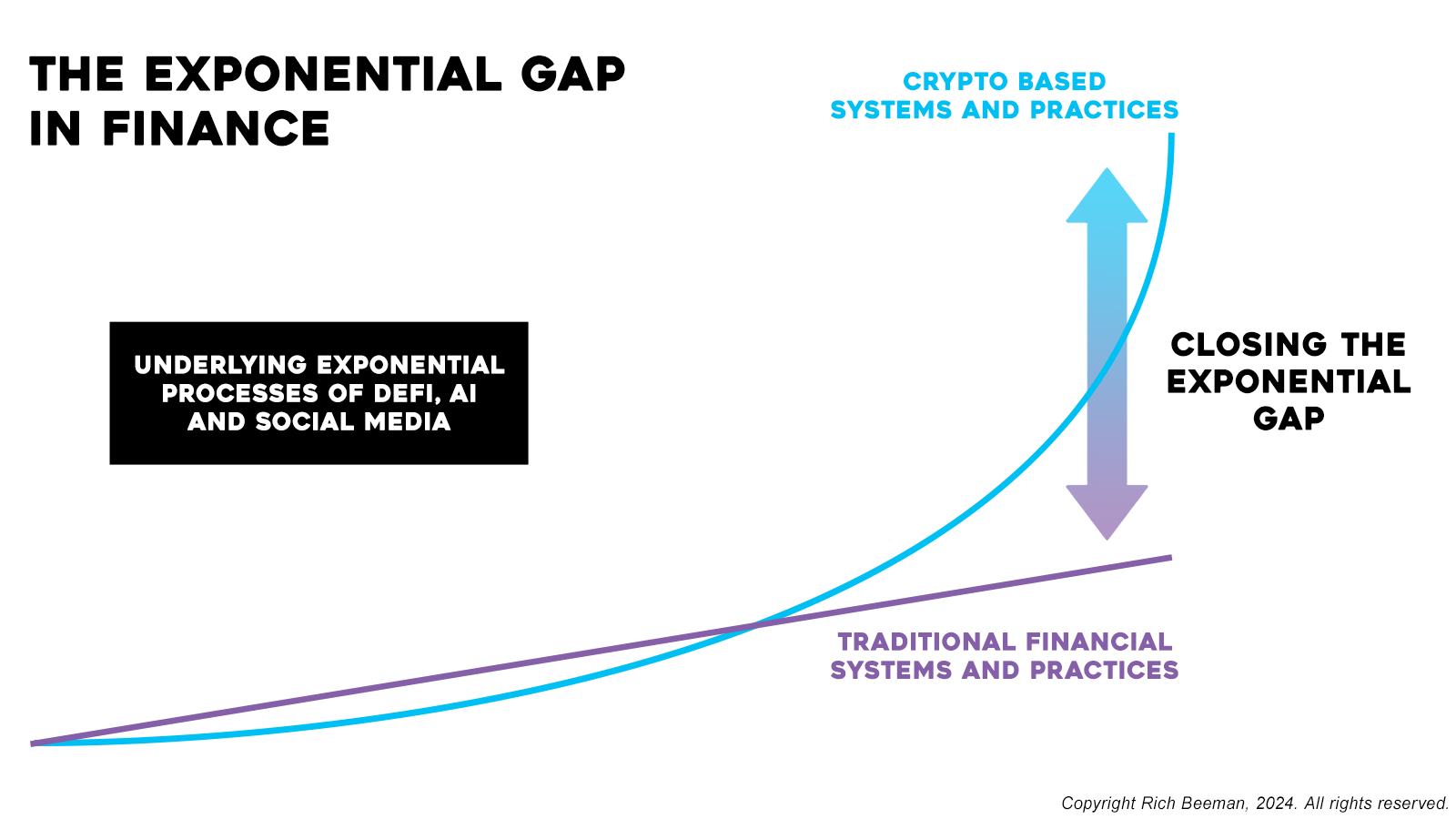 Exponential Gap in FinanceRegulators say 'risk' and mean 'protect the incumbents.' The Exponential Gap in Finance is the widening chasm where legacy finance uses caution theater to slow anything that compounds faster than a quarterly report.
 NewsjackNewsjacking is when a brand or influencer hijacks a trending news story or event to promote their own sh*t. Basically the digital equivalent of an ambulance chaser, but for clicks.
 Model MonopsonyVenture-backed AI labs thought they would tax the entire economy, but the risk of a Model Monopsony is actually a massive cope for legacy software giants who are already watching model margins collapse to zero.
Gifnotes poster
Sources
FAQ
What is digital enclosure in gaming?
It is the systematic removal of physical disc drives and cartridge slots from hardware to force all software distribution through a single, platform-owned digital storefront.
How does this affect game preservation?
When physical media is eliminated, publishers hold absolute control over the lifespan of a game, allowing them to permanently delete titles from history when server maintenance costs exceed profit margins.
Can I still share games in a digital-only ecosystem?
Only within highly restrictive, platform-approved family sharing protocols that can be modified, limited, or completely revoked by the hardware manufacturer at any time.