
Ghost Minting

The take
Venture capitalists love tracking 'developer activity' to justify their latest blockchain bets, and ghost minting is the cheap parlor trick founders use to keep those charts pointing up. By deploying thousands of automated, un-mintable smart contracts to dead networks, zombie protocols fake onchain momentum without a single real user showing up.
The Tell
Ghost minting: putting a 'Now Hiring' sign in the window of a permanently closed restaurant to keep the landlord from evicting you.

Stakes
When a blockchain boasts about massive developer adoption while its actual transaction volume looks like a ghost town, your capital is the target. Relying on automated contract deployment metrics to judge a network's health is how you buy the top of a zombie chain right before the founders rug the liquidity.
Source Dispatch
The read
The official narrative paints these empty deployments as a sophisticated, cost-saving testnet strategy where developers optimize gas fees and security before a public launch. It sounds like prudent engineering.
In reality, it is the digital equivalent of an empty storefront with a permanent 'grand opening' sign in the window, designed specifically to trigger VC dashboard alerts. These dead L2 networks are desperate to show signs of life to keep their token valuations afloat.
Since real builders have migrated to chains with actual liquidity, founders resort to automated scripts that spin up endless streams of smart contracts that cannot actually mint tokens or process user transactions. They are building a movie set of a thriving economy.
For investors, the lesson is simple: if you measure a blockchain's value by the sheer number of deployed contracts, you are letting automated bots grade their own homework.
True onchain health is measured in active wallets and fee-paying volume, not the silent graveyard of ghost contracts.
In the wild
- Venture capital dashboards flagging dead L2 networks as 'high growth' based entirely on automated contract deployment metrics.
- Zombie blockchain protocols boasting about developer activity spikes while public block explorers show zero active user transactions.
- Automated developer scripts deploying thousands of identical, non-functional smart contracts to inflate onchain building statistics.
Related
 AI SlopPlatforms pay for volume, so the machine floods your feed with filler until the real stuff drowns. That sludge is AI slop.
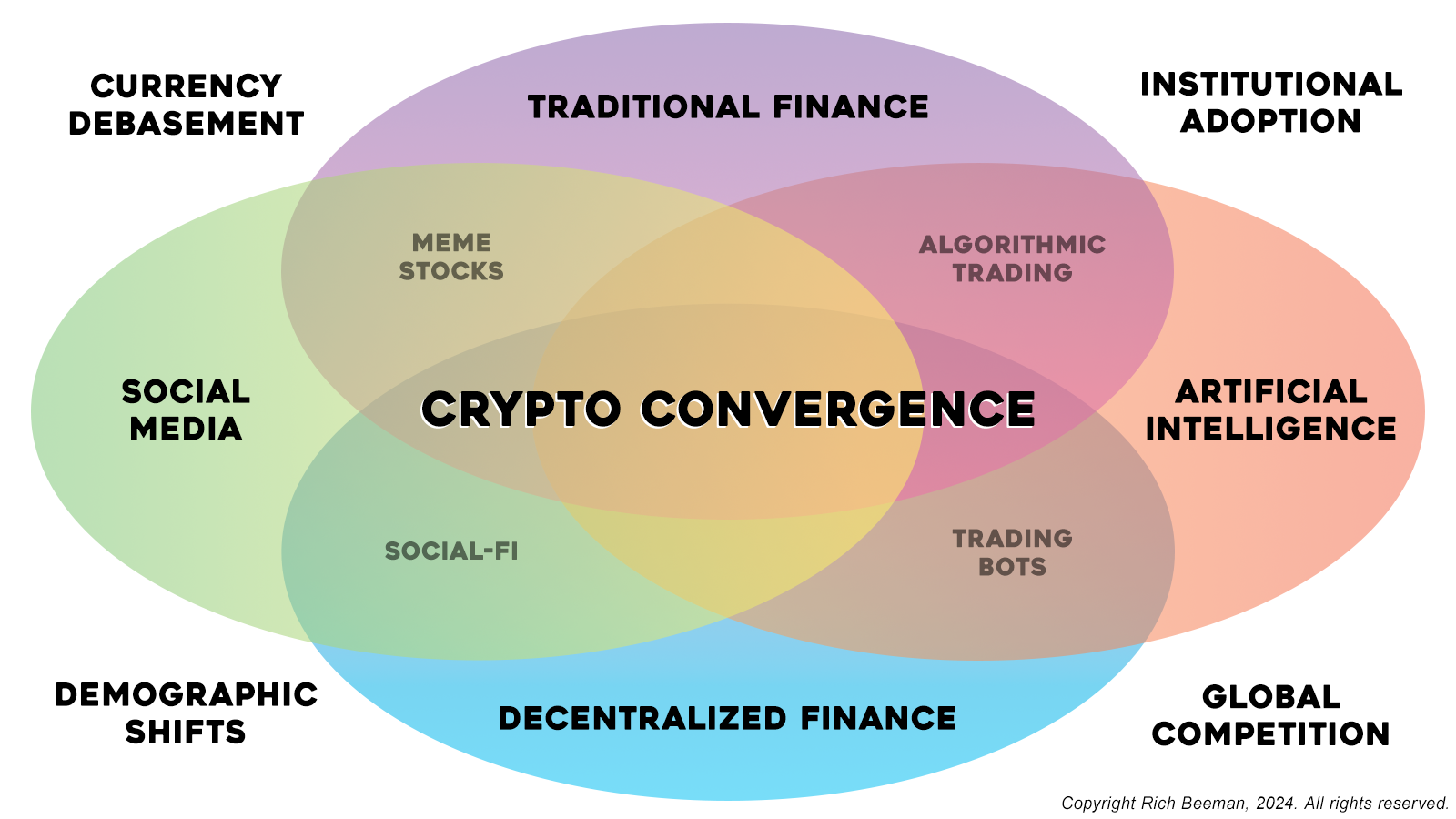 Crypto ConvergenceCrypto Convergence is what happens when DeFi, AI, social media, and TradFi stop pretending they are in different group chats. The winners will not be the slickest tech, they will be whoever owns the plumbing where all four meet, and it probably will not be you.
 Terminally onlineTerminally Online is when the feed's stakes feel more real than your actual life. Likes, outrage loops, and timeline drama become the OS; IRL is the side quest.
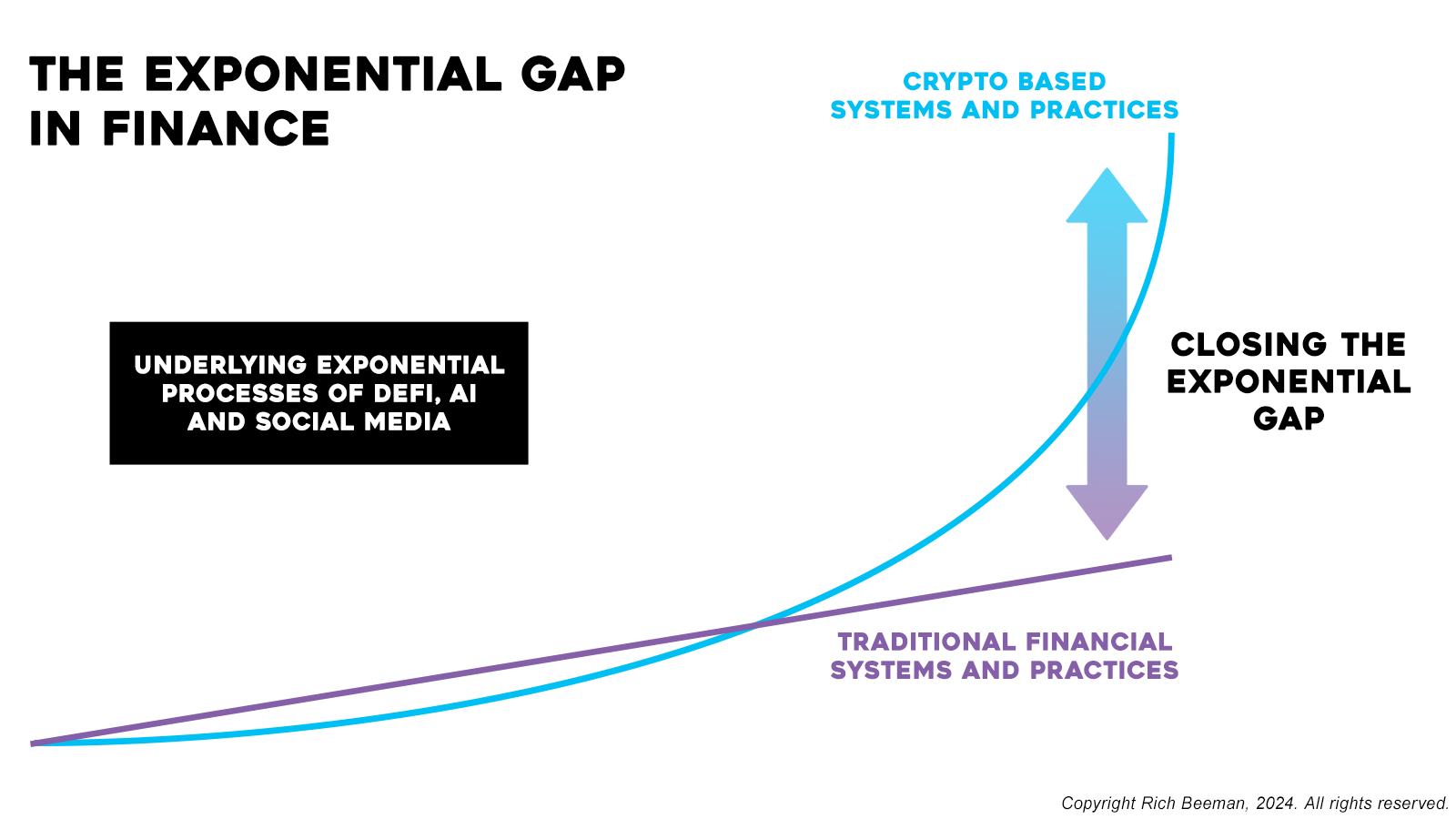 Exponential Gap in FinanceRegulators say 'risk' and mean 'protect the incumbents.' The Exponential Gap in Finance is the widening chasm where legacy finance uses caution theater to slow anything that compounds faster than a quarterly report.
 NewsjackNewsjacking is when a brand or influencer hijacks a trending news story or event to promote their own sh*t. Basically the digital equivalent of an ambulance chaser, but for clicks.
 Alt LabsVenture capitalists keep dumping copycat layer-1 blockchains on retail, but Alt Labs are the lean application-layer builders quietly capturing real onchain value while over-capitalized base protocols collapse under the weight of their own cheap blockspace.
Gifnotes poster
Sources
FAQ
How do you spot a network relying on ghost minting?
Compare the developer activity charts with the active user addresses and transaction fees. If a blockchain claims thousands of new smart contracts are being deployed daily but the network gas fees are near zero and no one is using the dApps, you are looking at automated ghost deployments.
Why do venture capitalists fall for this trick?
Many crypto VC funds rely on automated data aggregators that treat every smart contract deployment as a sign of organic developer interest. It allows analysts to check a box for 'ecosystem growth' without doing the manual due diligence of checking if those contracts actually do anything.
Is ghost minting illegal or just sketchy?
It is not illegal to deploy empty code to a public blockchain, but using those automated metrics to artificially inflate token valuations and mislead investors is a classic metric-manipulation game that eventually ends in a drained liquidity pool.