Debt Brain-Broken

The take
The cost of traditional adult milestones has been permanently locked behind a corporate paywall, forcing a generation to become debt brain-broken and treat high-interest liabilities like a standard utility subscription to the simulation.
The Tell
Homeownership is locked behind a permanent paywall, so Gen Z is treating credit card debt like a monthly subscription to the simulation.

Stakes
This is not a simple case of financial illiteracy or young people failing to understand basic interest rates. Highly leveraged consumers have run the math, realized that homeownership is mathematically impossible on their current trajectories, and decided to trade long-term solvency for immediate, algorithmic lifestyle dopamine.
Source Dispatch
The read
The mainstream financial press loves to lecture young adults for drowning in credit card debt and Buy Now Pay Later schemes, chalking it up to a lack of personal responsibility.
They assume that if you just show a twenty-something a compound interest chart, they will suddenly stop buying designer shoes on credit.
This completely misses the structural shift: when the baseline promise of the American Dream feels like a scam, maxing out a card on depreciating luxury becomes a form of rational surrender. This behavioral shift, also known as the Leverage Paradox, turns standard financial advice on its head.
Financial realists like Caleb Hammer and Chris Williamson have exposed how young adults now view five-figure credit card balances not as an emergency, but as a monthly subscription fee for a lifestyle they can never actually own.
On platforms like TikTok, creators brand this coping mechanism as "girl math" or lifestyle optimization, normalizing the idea of carrying toxic debt as long as the minimum monthly payment clears.
When the system makes saving for a down payment look like a treadmill set to infinite speed, the incentive to sacrifice today for tomorrow evaporates.
Instead of building equity, consumers outsource their balance sheets to Klarna and credit cards, treating bankruptcy not as a moral or financial ruin, but as a routine software reset.
The real danger is not just a wave of defaults, but the permanent destruction of the wealth-building habits that keep a society stable.
In the wild
- Caleb Hammer & Chris Williamson: The Nihilistic Youth Debt Crisis
- Gen Z is not drowning in credit card and Buy Now Pay Later debt because they are stupid, but because they have correctly calculated that the traditional milestones of adulthood are permanently locked behind a paywall they can never afford.
- Caleb Hammer and Chris Williamson strip the polite veneer off the youth debt crisis, exposing how systemic hopelessness, algorithmic dopamine loops, and predatory credit limits turn high-earning young adults into highly leveraged financial trainwrecks who view bankruptcy as a routine software reset.
- Episode: Caleb Hammer & Chris Williamson: The Nihilistic Youth Debt Crisis (https://www.youtube.com/watch?v=nulkcjbI-pI)
- We are so debt brain-broken.
Related
 Doom SpendingBlaming interest rates for your daily Uber Eats delivery and designer sneaker habit is a convenient coping mechanism to avoid admitting you have zero impulse control. Doom spending is the trap of sacrificing long-term financial security for short-term dopamine hits under the assumption that the future is permanently cancelled.
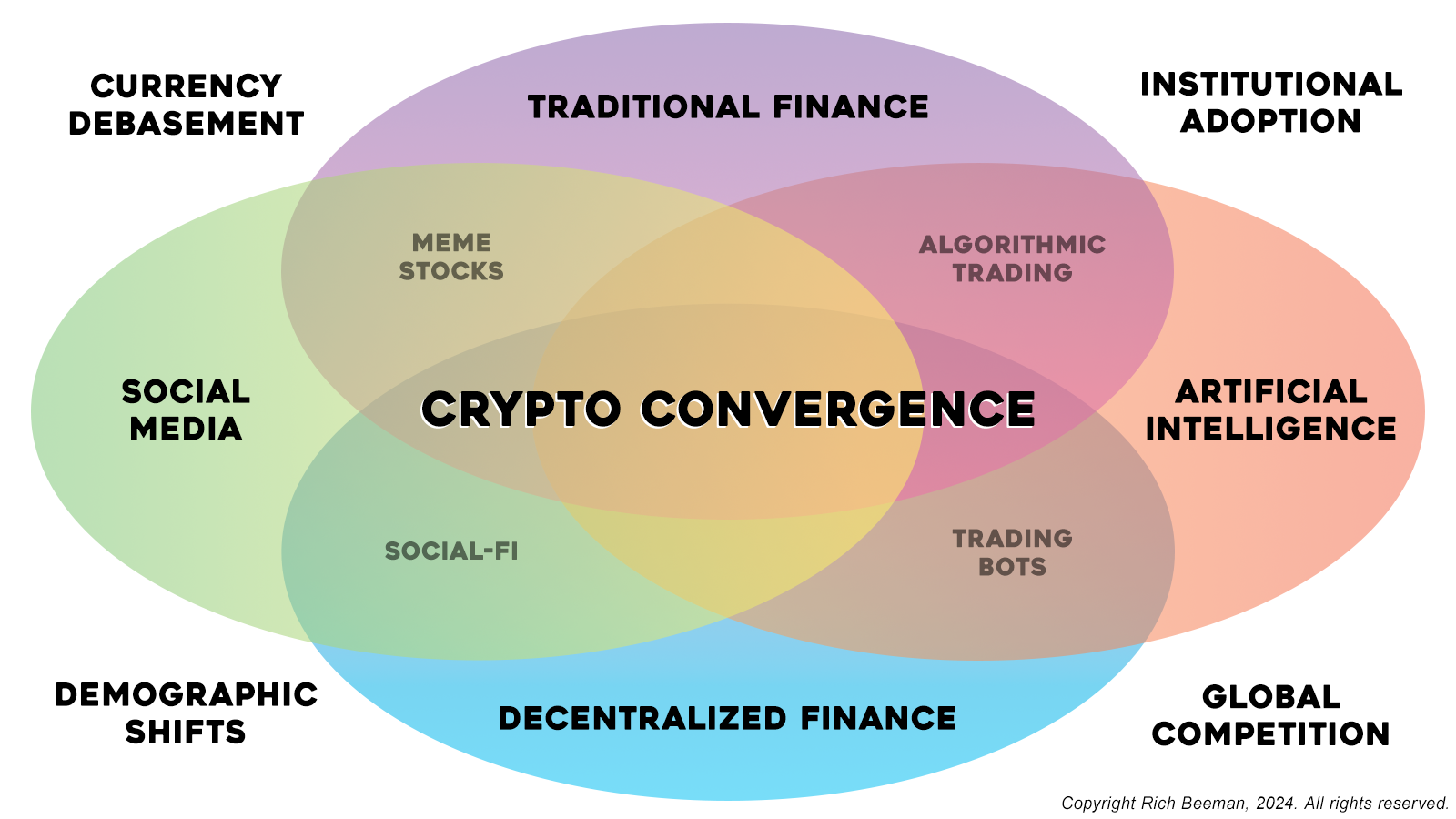 Crypto ConvergenceCrypto Convergence is what happens when DeFi, AI, social media, and TradFi stop pretending they are in different group chats. The winners will not be the slickest tech, they will be whoever owns the plumbing where all four meet, and it probably will not be you.
 BEHODLBEHODL is Gifdead's unserious-serious mashup of behold and HODL: look at this, and maybe don't panic-sell your personality. It's the internet's way of saying, "Pay attention, but don't let the algorithm or the mob dictate your next move."
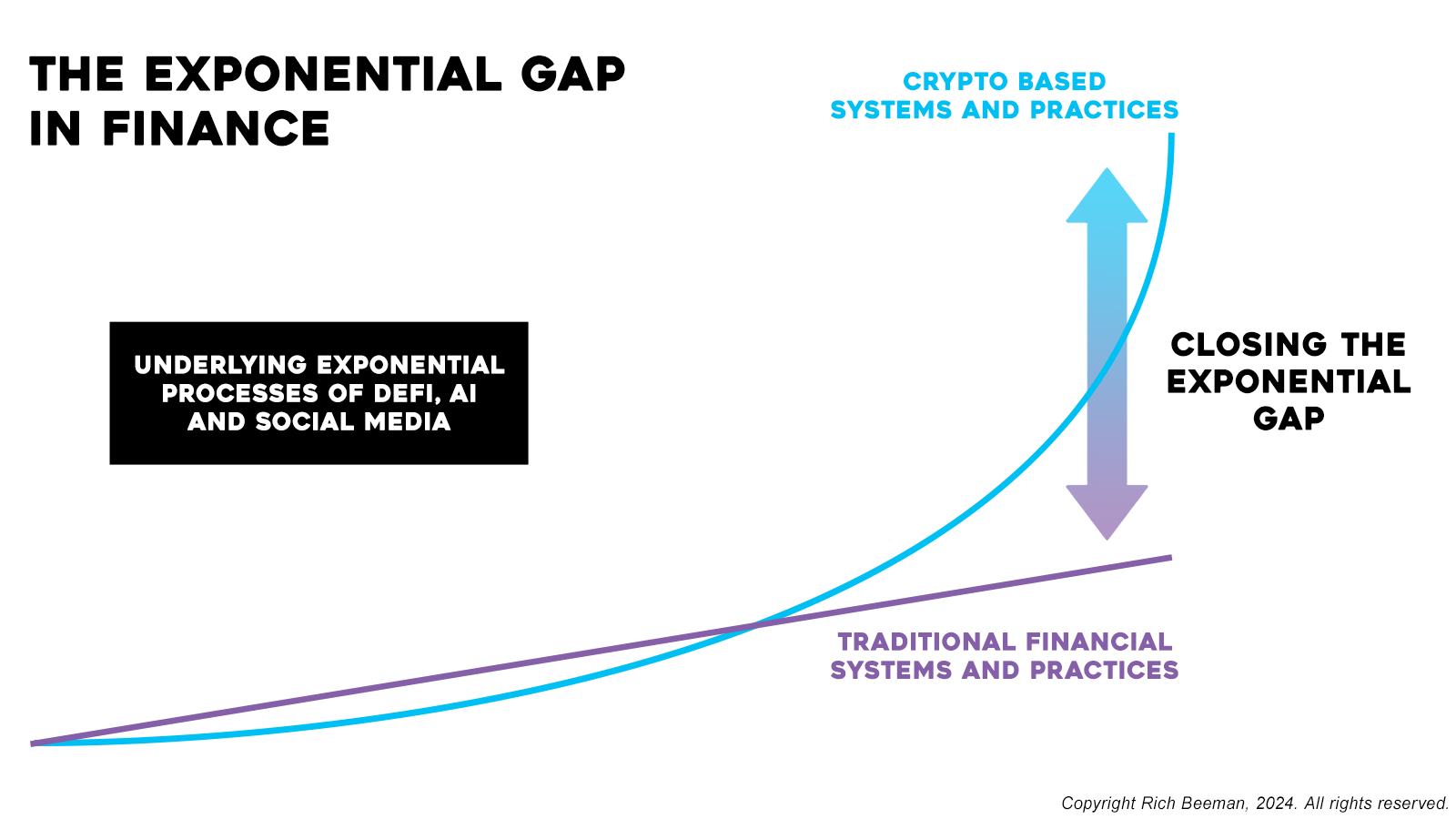 Exponential Gap in FinanceRegulators say 'risk' and mean 'protect the incumbents.' The Exponential Gap in Finance is the widening chasm where legacy finance uses caution theater to slow anything that compounds faster than a quarterly report.
 Left curveWhen 'critical thinking' loops you back to the dumbest take possible, that's the Left Curve. It's the intellectual dead end where rejecting obvious solutions for convoluted, often self-serving, alternatives becomes a performance, costing you clarity and often capital.
 TikTok BrainThe real cost is not a short attention span. They handed critical thinking to the algorithm, then marched wherever the campus NGO script and the foreign boost told them to go. TikTok Brain: programmable sheeple with a consensus firehose jacked into their eye-holes.
Gifnotes poster
Sources
FAQ
What does it mean to be debt brain-broken?
It is the psychological state where a consumer stops viewing high-interest debt as a financial emergency and begins treating it as a permanent, standard monthly utility bill. Instead of trying to pay off the principal, they optimize for maximum monthly lifestyle output, using credit cards and buy-now-pay-later apps to fund a standard of living they cannot afford, fully accepting that they will carry these balances forever.
How does the Leverage Paradox explain this behavior?
The Leverage Paradox shows that when traditional, long-term wealth milestones like buying a home are priced out of reach, the rational incentive to save disappears. Consumers shift their leverage from appreciating assets (like real estate) to depreciating lifestyle assets (like travel and fashion), using cheap credit to maximize short-term dopamine because the long-term payoff has been heavily discounted.
Who benefits from the debt brain-broken trend?
Predatory fintech apps, Buy Now Pay Later platforms like Klarna, and credit card issuers benefit immensely. They leverage algorithmic dopamine loops to make spending frictionless, while social media platforms profit from the lifestyle envy that drives users to fund aesthetic-heavy feeds with high-interest debt.
Is this trend caused by a lack of financial literacy?
No, that is the establishment lie. Most debt brain-broken individuals understand interest rates and compound math. Their behavior is a rational response to systemic hopelessness; they have calculated that traditional frugality will still leave them short of major life milestones, so they choose to enjoy luxury consumerism today instead.
How do social media platforms normalize this debt?
TikTok creators and financial influencers rebrand toxic consumer debt using playful euphemisms like "girl math" or "lifestyle optimization." By framing five-figure credit card debt as a normal part of modern adulthood, they remove the social stigma of being heavily leveraged and turn financial ruin into a shared online meme.