
Mockup Literalization

The take
Automated factories are now treating the physical world as a low-resolution printer for digital ads, creating a trap where consumers buy what looks like textured, tailored apparel but receive a flat, digital image printed onto cheap polyester.
The Tell
We have officially reached the point where factories print a drop-shadow of a pocket onto polyester and call it fashion.

Stakes
This systemic decoupling of physical manufacturing from reality means you are no longer buying clothes; you are buying a physical manifestation of a JPEG, complete with printed-on shadows, fake seams, and simulated textures.
Source Dispatch
The read
The scam is beautiful in its laziness. Instead of sewing a pocket, adding a zipper, or using textured knit fabric, automated dropshipping pipelines take the 3D digital mockup directly from the ad and print the entire image, fake drop-shadows and all, onto a flat sheet of white polyester.
It is the ultimate cost-cutting play for Temu-tier and TikTok Shop sellers who have realized that in a high-volume, low-trust economy, the transaction is already complete by the time you realize your new jacket is actually a long-sleeved t-shirt with a picture of a jacket on it.
To be fair, the digital supply chain is a marvel of modern efficiency. By using print-on-demand automation, small brands can test designs instantly without holding inventory, theoretically saving millions in waste.
But when the algorithm optimizing the supply chain has zero feedback loops for physical quality, the incentive is to make the digital render look as luxurious as possible and let the factory floor figure out how to flatten it into a single pass of an inkjet printer.
This is not a temporary manufacturing glitch or a few rogue sellers. It is the logical end state of an e-commerce ecosystem that has completely replaced craftsmanship with narrative control.
When the platform, the ad, the warehouse, and the reviews are all generated or curated by AI, the physical product becomes a mere afterthought, a cheap souvenir of the digital transaction you actually bought.
In the wild
- Corridor Crew uncovering a massive network of AI-generated clothing stores shipping flat-printed polyester rags instead of textured knitwear.
- TikTok Shop reviews showing disappointed buyers holding up what looked like heavy corduroy but is actually a shiny, flat polyester shirt with corduroy lines printed on it.
- Shein and Temu listings utilizing 3D digital mockups that are directly sublimated onto white fabric blanks to bypass traditional tailoring costs.
- Episode: The Synthetic Supply Chain: Inside Corridor's AI Shopping Scam Investigation (https://www.youtube.com/watch?v=dUWaJG-jPW8)
- It's like the picture of a shirt printed on a shirt.
Related
 Sympathy BaitingThe cost of your moral vanity is now programmatically optimized. Sympathy baiting is the trap where drop-shippers use synthetic human suffering and AI-generated sob stories to bypass your logical buying friction.
 AI SlopPlatforms pay for volume, so the machine floods your feed with filler until the real stuff drowns. That sludge is AI slop.
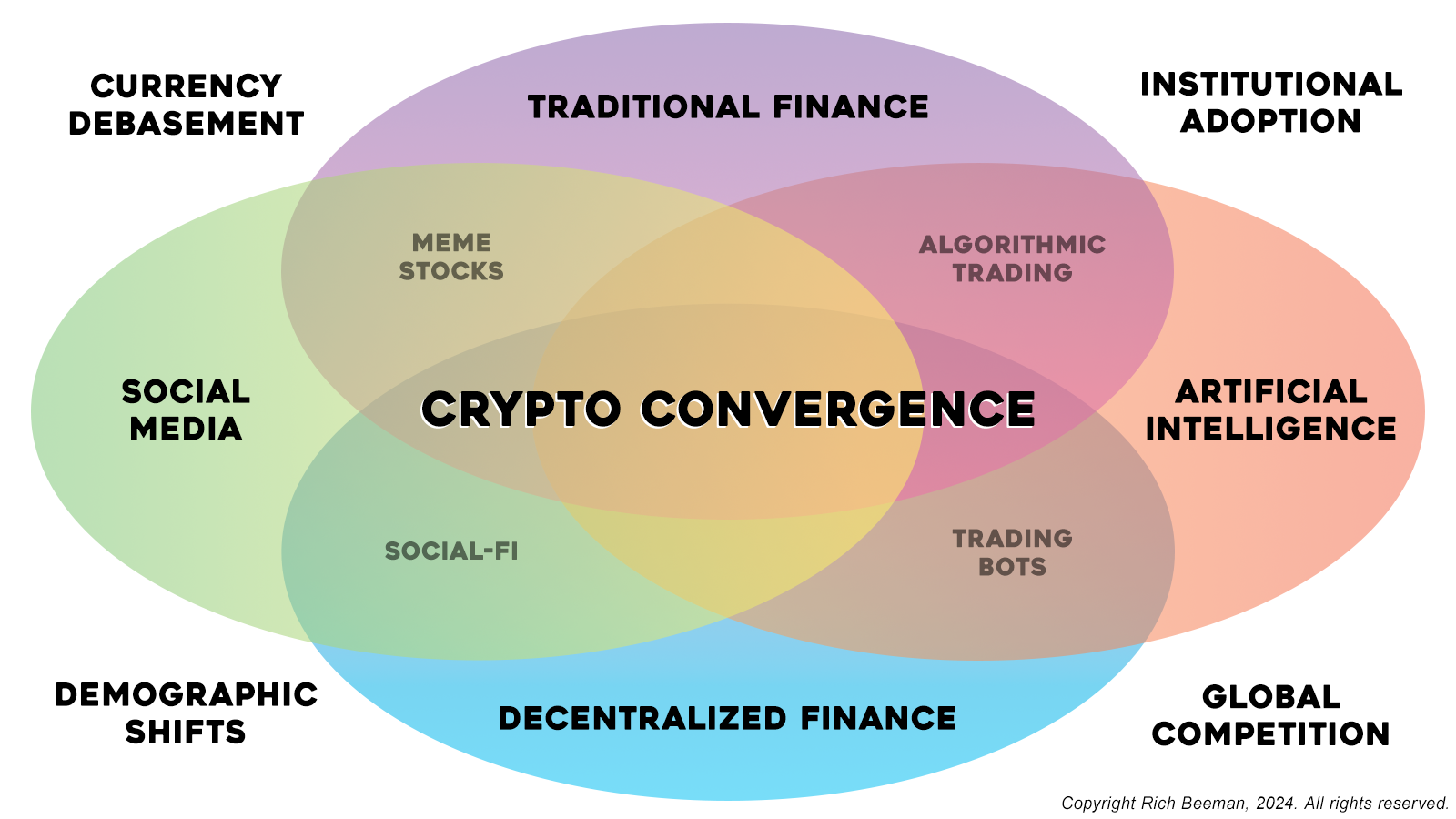 Crypto ConvergenceCrypto Convergence is what happens when DeFi, AI, social media, and TradFi stop pretending they are in different group chats. The winners will not be the slickest tech, they will be whoever owns the plumbing where all four meet, and it probably will not be you.
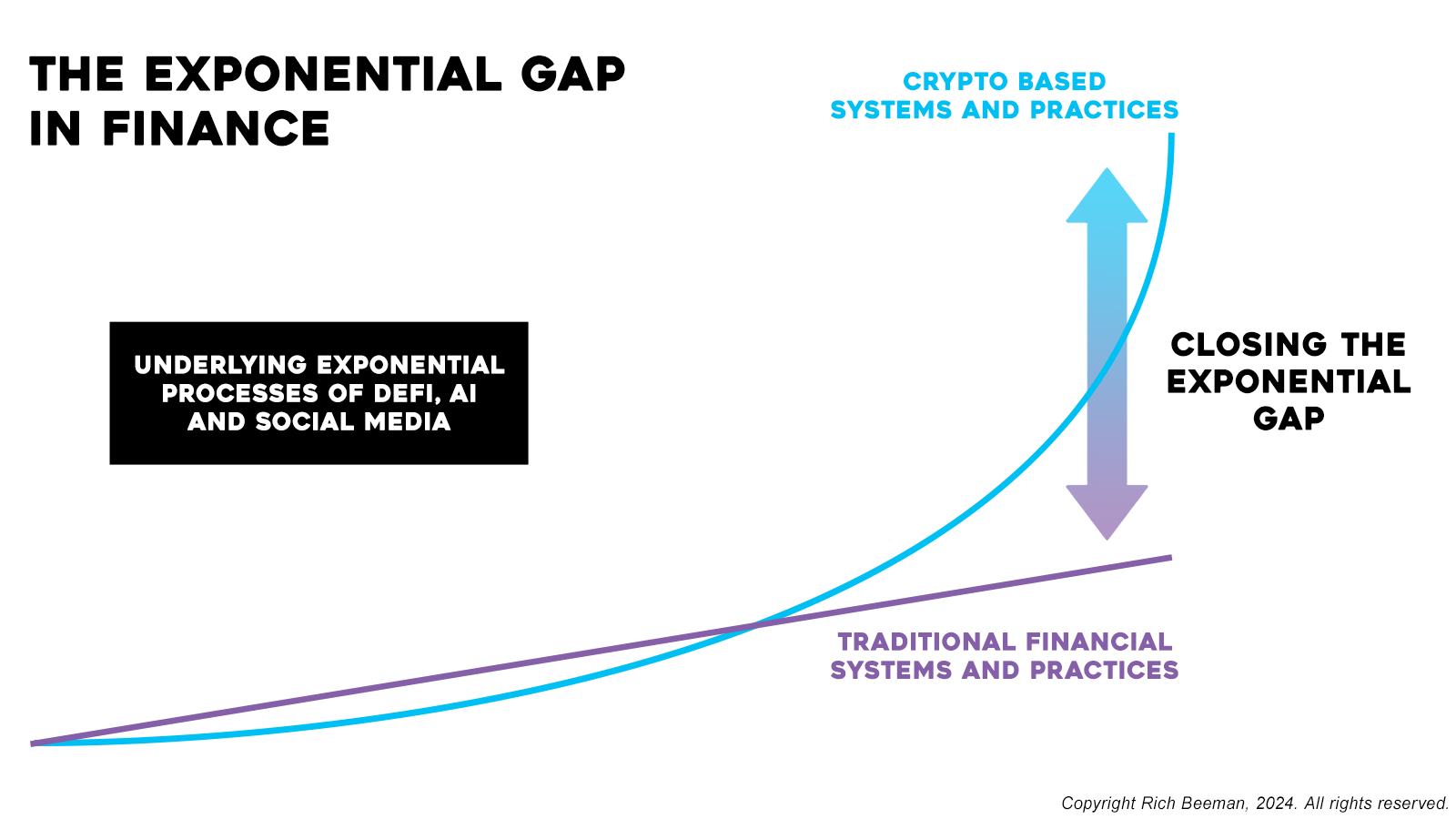 Exponential Gap in FinanceRegulators say 'risk' and mean 'protect the incumbents.' The Exponential Gap in Finance is the widening chasm where legacy finance uses caution theater to slow anything that compounds faster than a quarterly report.
 BEHODLBEHODL is Gifdead's unserious-serious mashup of behold and HODL: look at this, and maybe don't panic-sell your personality. It's the internet's way of saying, "Pay attention, but don't let the algorithm or the mob dictate your next move."
 EnshitificationCorporate suits want you to believe Enshitification is just a digital software disease, but the real heist is happening inside your physical grocery cart where brands dilute the plastic and chalk the cookies.
Gifnotes poster
Sources
FAQ
What is flat-print tailoring?
An alternative name for the process of printing 3D textures, shadows, and seams directly onto a flat piece of cheap fabric, bypassing the need for actual stitching, pockets, or premium materials.
How do dropshippers get away with shipping these items?
They rely on high-volume, low-cost operations where the cost of returning a ten-dollar item is higher than the refund, allowing them to pocket the margin on the initial impulse buy.
Is this practice illegal?
Technically it borders on false advertising, but because the sellers operate through shell accounts and international shipping loopholes, holding them accountable under domestic consumer protection laws is nearly impossible.