
Sympathy Baiting

The take
The cost of your moral vanity is now programmatically optimized. Sympathy baiting is the trap where drop-shippers use synthetic human suffering and AI-generated sob stories to bypass your logical buying friction.
The Tell
We have reached the point where drop-shippers programmatically fabricate human suffering to sell you a $12 polyester shirt.

Stakes
Western consumers are so desperate for a mindful, ethical purchase that algorithmically optimized factories had to programmatically synthesize human struggle just to get them to buy a twelve-dollar polyester shirt.
Source Dispatch
The read
Consumer advocates warn that AI-generated sob stories are just another deceptive marketing trick that platforms need to regulate and ban. In their view, protecting gullible buyers from fake local artisans is a matter of digital safety.
But that misses the real comedy of the modern internet: the supply chain has simply figured out how to automate your guilt. Instead of pitching a cheap product on its merits, Temu-style drop-shippers now generate entire cinematic universes of struggle.
You are served highly realistic AI video ads of a sad, fictitious warehouse worker or a weeping creator claiming their business is going under, complete with automated Shopify storefronts and fabricated reviews designed to look authentic.
The machine has realized that empathy is the highest-converting checkout funnel on the market. If you buy a product because a synthetic video made you feel like a savior, you didn't support a local business; you paid a premium to have your emotions farmed by a server farm.
The ultimate defense against this dark pattern isn't platform regulation, but a healthy dose of cynicism. When an ad begs for your pity, assume the tears were rendered in Midjourney.
In the wild
- AI-generated 'sad warehouse worker' Facebook ads claiming bankruptcy to liquidate inventory.
- Automated Shopify stores using fabricated four-star reviews to look authentic while selling mass-produced goods.
- Synthetic sob stories of 'struggling local artisans' created by low-tier apparel drop-shippers.
- Episode: The Synthetic Supply Chain: Inside Corridor's AI Shopping Scam Investigation (https://www.youtube.com/watch?v=dUWaJG-jPW8)
- That's an AI image... we accidentally glimpsed this one, and I was like, oh... that's what I thought we were getting.
Related
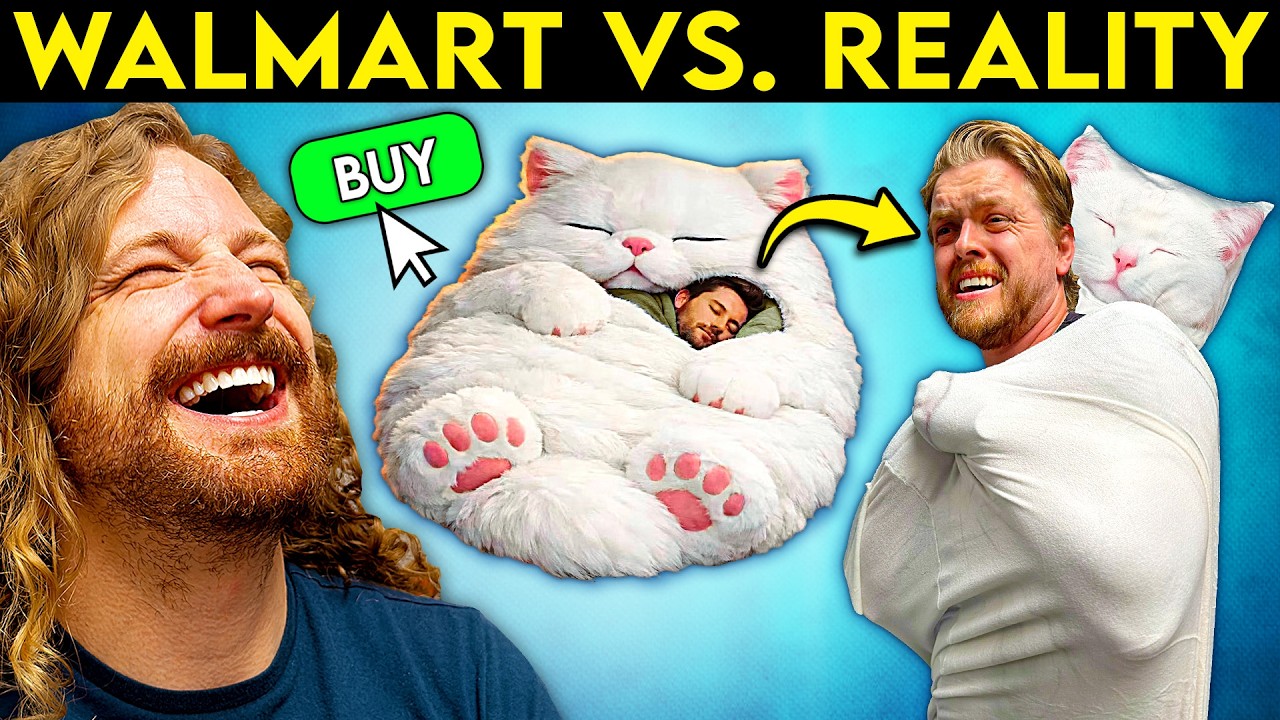 Mockup LiteralizationAutomated factories are now treating the physical world as a low-resolution printer for digital ads, creating a trap where consumers buy what looks like textured, tailored apparel but receive a flat, digital image printed onto cheap polyester.
 Terminally onlineTerminally Online is when the feed's stakes feel more real than your actual life. Likes, outrage loops, and timeline drama become the OS; IRL is the side quest.
 NewsjackNewsjacking is when a brand or influencer hijacks a trending news story or event to promote their own sh*t. Basically the digital equivalent of an ambulance chaser, but for clicks.
 AI SlopPlatforms pay for volume, so the machine floods your feed with filler until the real stuff drowns. That sludge is AI slop.
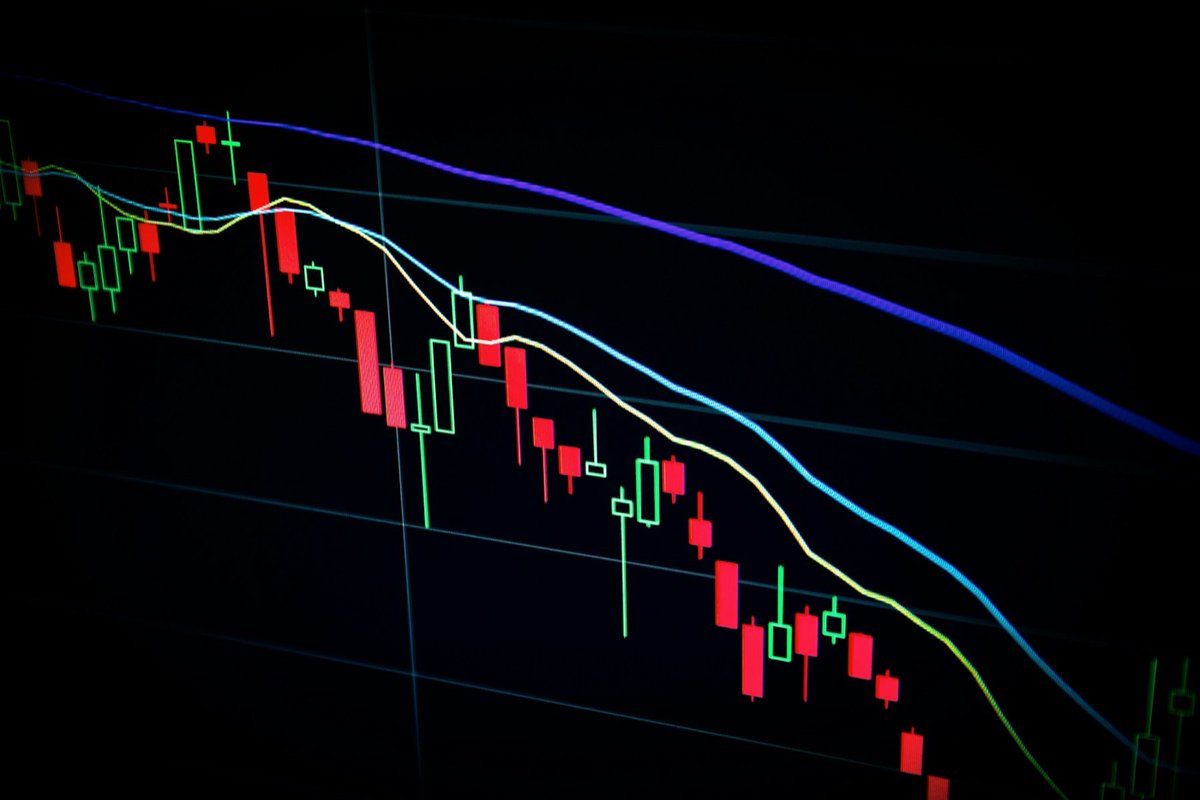 SaaspocalypseThe joke stopped being a joke. Vibe-coded custom tools are eating the monthly SaaS stack one workflow at a time. That slaughter is Saaspocalypse.
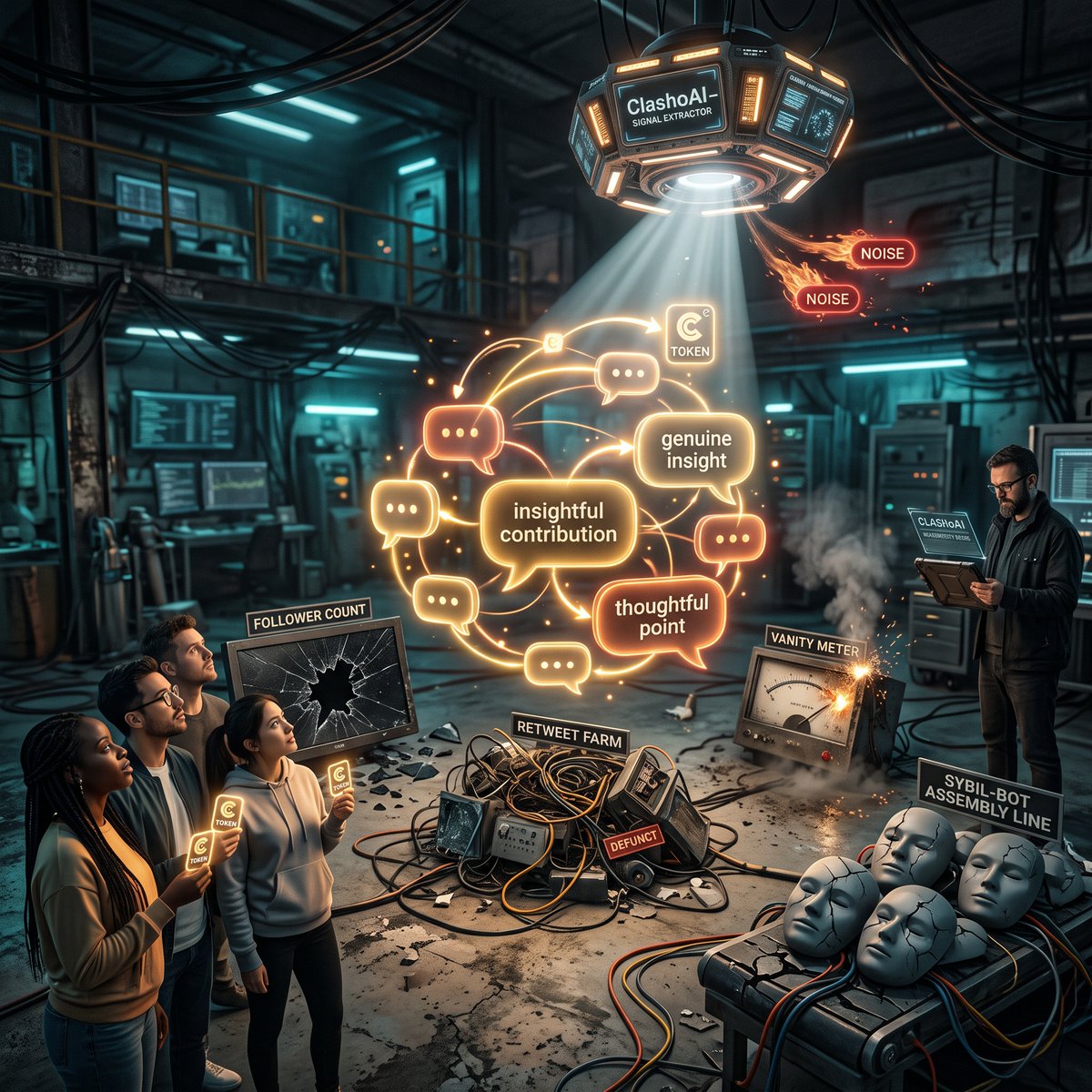 Engagement BaitPlatforms pretend they are cleaning up the feed by penalizing low-effort spam, but engagement bait is actually the core design specification of the modern algorithmic feed. The trap is believing that tech giants want a clean, high-minded public square when their business model requires the outrage and division that only high-end bait can deliver.
Gifnotes poster
Sources
FAQ
What is the primary goal of sympathy farming?
To bypass the consumer's critical thinking by replacing product quality discussions with an urgent, emotionally manipulative narrative that demands a rescue purchase.
How do drop-shippers fabricate these emotional narratives?
By using highly realistic AI video generators to create fake creators, fictional warehouse backdrops, and artificial voices that deliver scripted sob stories.
Why is this dark pattern so effective on modern shoppers?
It exploits the Western consumer's desire for ethical and mindful purchasing, turning empathy into a high-conversion shortcut for cheap, mass-produced inventory.