Doom Spending

The take
Blaming interest rates for your daily Uber Eats delivery and designer sneaker habit is a convenient coping mechanism to avoid admitting you have zero impulse control. Doom spending is the trap of sacrificing long-term financial security for short-term dopamine hits under the assumption that the future is permanently cancelled.
The Tell
Blaming the housing market for your credit card debt is a neat trick, but your landlord didn't buy those designer sneakers.

Stakes
This shift in consumer behavior matters because it replaces wealth-building with algorithmic retail therapy. When young adults decide that a down payment on a home is forever out of reach, they redirect their capital into micro-luxuries, trading their compounding future for immediate digital gratification.
Source Dispatch
The read
The mainstream narrative insists that Gen Z is forced into this cycle by a rigged housing market and systemic economic inequality. It is a comforting theory that paints every credit card swipe as a quiet act of political protest.
In reality, personal finance channels like Caleb Hammer's show a different story: high-earning young adults running up massive balances on Buy Now Pay Later platforms for aesthetic upgrades they do not need.
While housing costs and inflation are genuinely high, using macroeconomic headwinds to justify a lifestyle of constant micro-luxuries is a massive cope. The system has its flaws, but it did not force you to finance a designer wardrobe on a thirty percent interest rate.
The real fight is between taking personal responsibility for your balance sheet and letting algorithmic feeds dictate your self-worth. Ultimately, treating your bank account like a video game with infinite respawns only guarantees a very real financial crash.
Financial nihilism feels edgy and liberating on TikTok, but the interest payments do not care about your existential dread. The only way out of the loop is to stop treating impulse buys as a form of therapy.
In the wild
- Caleb Hammer & Chris Williamson: The Nihilistic Youth Debt Crisis
- TikTok personal finance creators documenting the rise of lifestyle inflation and credit card dependency
- Buy Now Pay Later platforms reporting record transaction volumes for non-essential retail purchases
- Episode: Caleb Hammer & Chris Williamson: The Nihilistic Youth Debt Crisis (https://www.youtube.com/watch?v=nulkcjbI-pI)
- Most of them think everything is going to be so bad forever, why not just spend the money? Why not just put it on credit cards?
Related
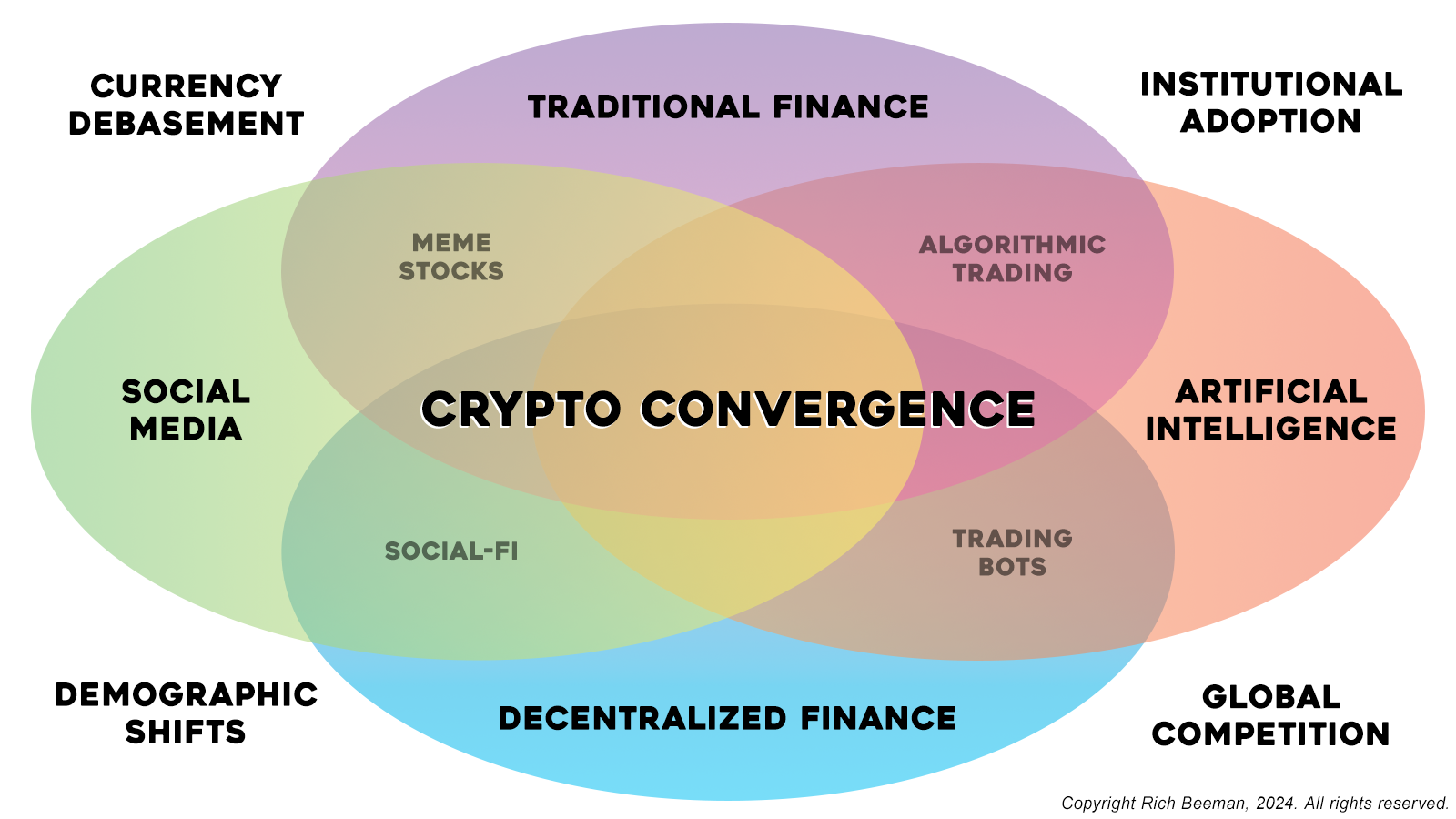 Crypto ConvergenceCrypto Convergence is what happens when DeFi, AI, social media, and TradFi stop pretending they are in different group chats. The winners will not be the slickest tech, they will be whoever owns the plumbing where all four meet, and it probably will not be you.
 BEHODLBEHODL is Gifdead's unserious-serious mashup of behold and HODL: look at this, and maybe don't panic-sell your personality. It's the internet's way of saying, "Pay attention, but don't let the algorithm or the mob dictate your next move."
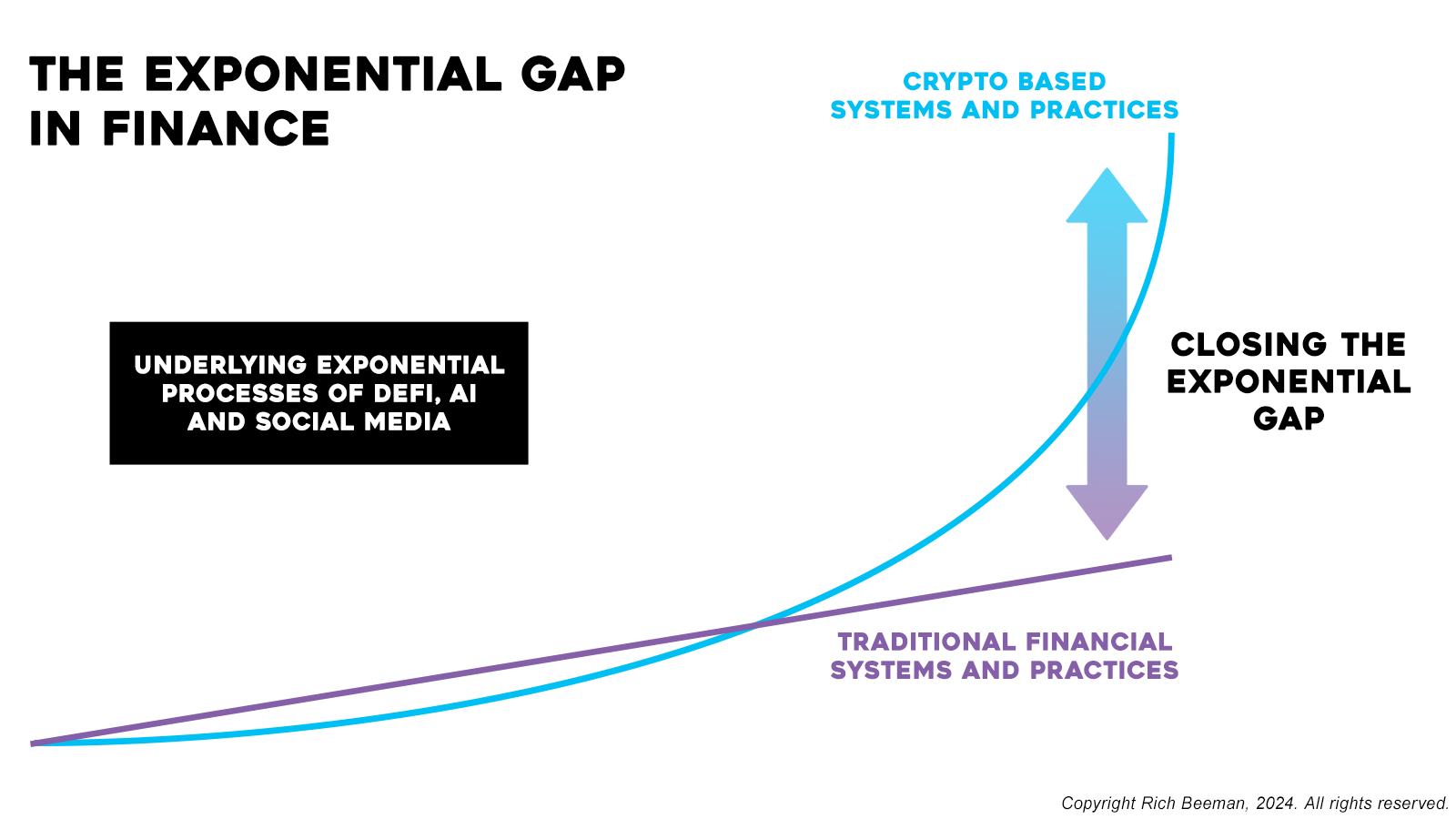 Exponential Gap in FinanceRegulators say 'risk' and mean 'protect the incumbents.' The Exponential Gap in Finance is the widening chasm where legacy finance uses caution theater to slow anything that compounds faster than a quarterly report.
 Left curveWhen 'critical thinking' loops you back to the dumbest take possible, that's the Left Curve. It's the intellectual dead end where rejecting obvious solutions for convoluted, often self-serving, alternatives becomes a performance, costing you clarity and often capital.
 Human AlphaWhen cheap synthetic content turns the internet into infinite digital wallpaper, Human Alpha is the premium margin left because customers will pay a massive premium to know a real person actually wrote the copy, took the risk, or signed the check.
 Debt Brain-BrokenThe cost of traditional adult milestones has been permanently locked behind a corporate paywall, forcing a generation to become debt brain-broken and treat high-interest liabilities like a standard utility subscription to the simulation.
Gifnotes poster
Sources
FAQ
What is the main driver behind doom spending?
The primary driver is a psychological shift where younger consumers abandon traditional milestones like homeownership. Believing these goals are permanently locked behind a paywall, they redirect their income toward immediate, smaller purchases to get a quick dopamine hit.
How do personal finance creators view this trend?
Creators like Caleb Hammer argue that while macroeconomic pressures are real, using them to justify high-interest consumer debt is a self-inflicted trap. They emphasize that micro-luxuries and subscription services are lifestyle choices, not economic necessities.
Is doom spending the same as financial nihilism?
Yes, it is the practical application of financial nihilism. It is the physical act of draining a bank account or maxing out credit limits because the consumer believes long-term planning is pointless in a rigged economy.