Free Speech Absolutist

The take
They call you a 'free speech absolutist' the way priests used to say heretic: not to debate the line, but to make defending open speech sound like a kink for chaos.
The Tell
'Free speech absolutist' is the heretic label for people who still want open speech.
Stakes
Platforms and progressive media use the label to pathologize speech maximalism so the default stays managed discourse. The fight is not about loving every ugly post. It is about who gets to decide which adults are allowed to talk.
Source Dispatch
The read
When someone is branded a 'free speech absolutist,' it's rarely an invitation to discuss the First Amendment. More often, it's a preemptive strike to discredit any argument for less platform censorship, framing the speaker as naive or dangerous.
This tactic sidesteps the actual complexities of online speech, where the lines between protected expression, harmful content, and platform liability are constantly shifting.
The mainstream take often frames 'absolutism' as an impractical, even dangerous, position that ignores the real-world harms of hate speech, misinformation, or harassment. They argue that platforms have a moral and legal obligation to moderate content for user safety and societal well-being.
While concerns about online harm are legitimate, this framing often serves to shut down any discussion about where the line should actually be drawn, or who gets to draw it, without being labeled an extremist.
What to remember is that the fight isn't just about 'free speech' in a legal sense, but about who controls the flow of information and what ideas are allowed to gain traction.
The 'absolutist' label is a convenient way for tech giants and their media allies to justify their content moderation policies, silence dissent, and maintain narrative control, all while avoiding a transparent debate about the power they wield over public discourse.
In the wild
- Elon Musk's acquisition of Twitter/X and subsequent policy changes ignited debates over 'free speech absolutism' vs. content moderation.
- Discussions around Section 230 liability often pit calls for platform accountability against warnings of censorship.
- AP News: AI chatbots are at risk of spreading government restrictions on online speech, a new study says.
- The Oversight Board: Are LLMs Stifling Political Speech? An Assessment of How AI Models Protect Free Expression.
Related
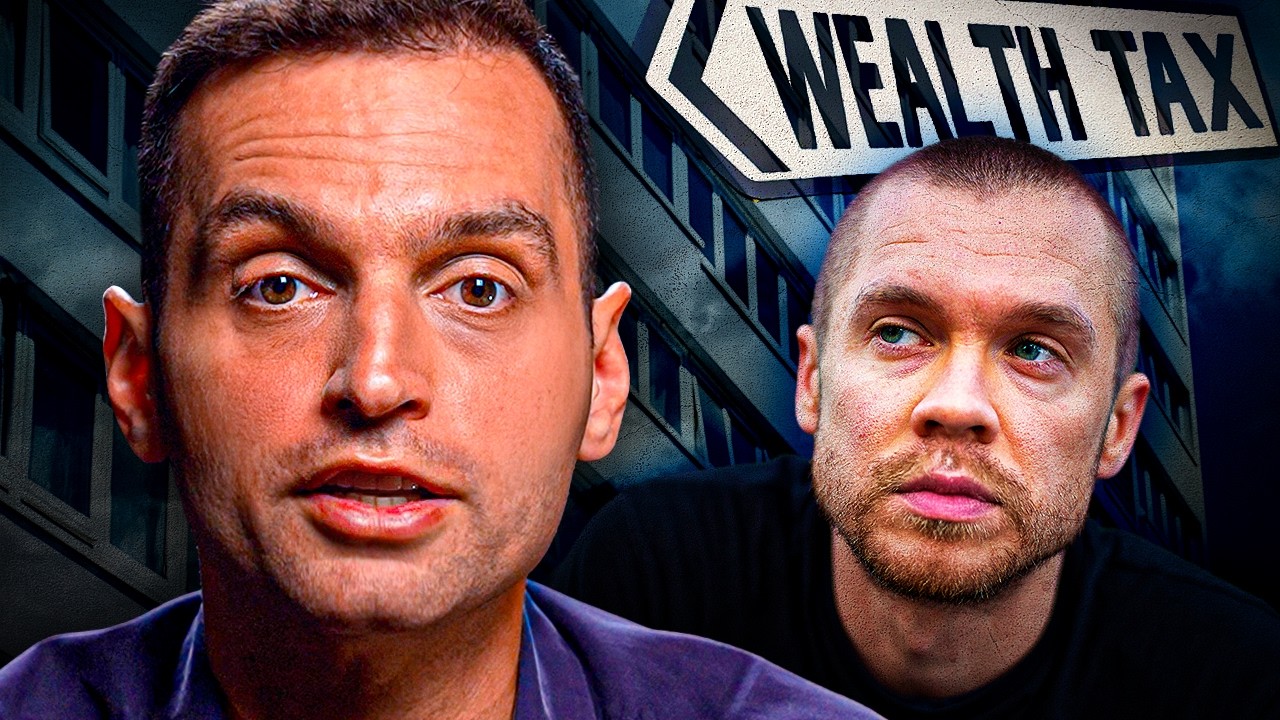
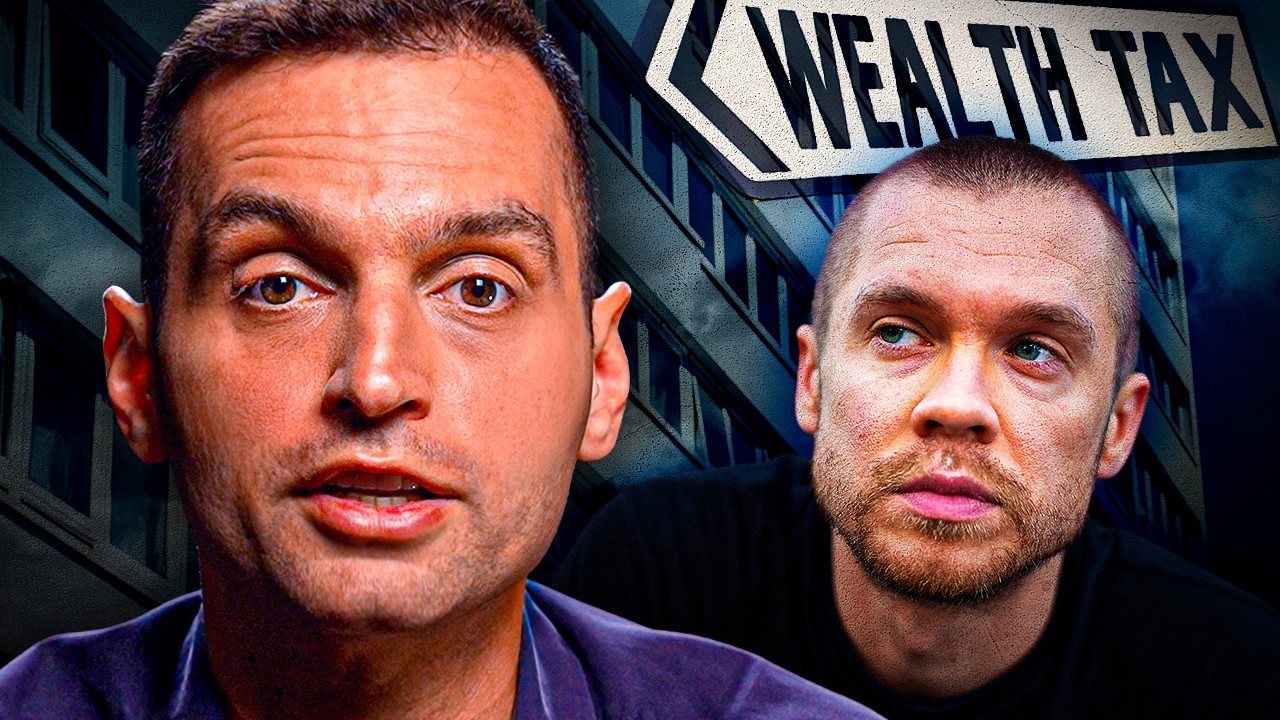 Greta Thunberg of TaxGary Stevenson is the influencer-economist who's great at selling the idea of fixing inequality but not so great at the actual math, costing public trust in real expertise. He's the "Greta Thunberg of Tax," a label for those who weaponize passion over precision in complex policy debates.
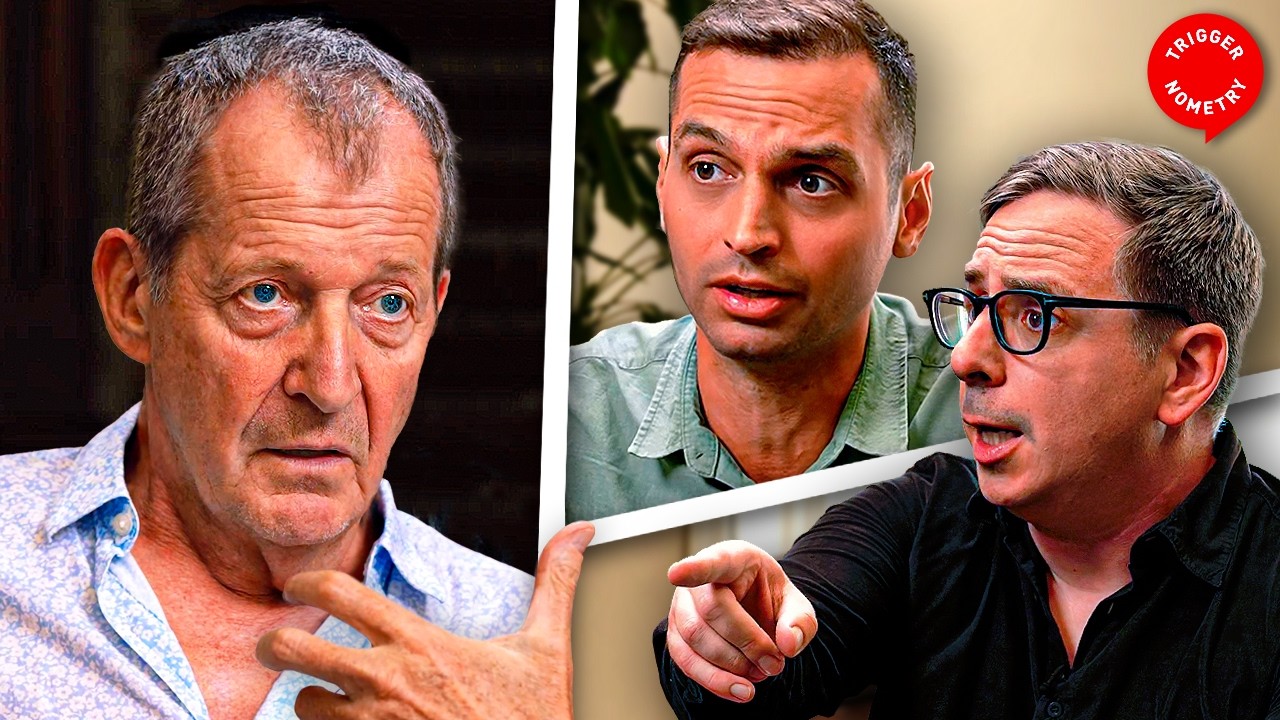 Demonization DividendAttack an insurgent politician hard enough and you don't bury him, you bankroll him. The demonization dividend is the payout every media pile-on hands its target: living proof for his base that the establishment fears him, which is the only argument he ever needed.
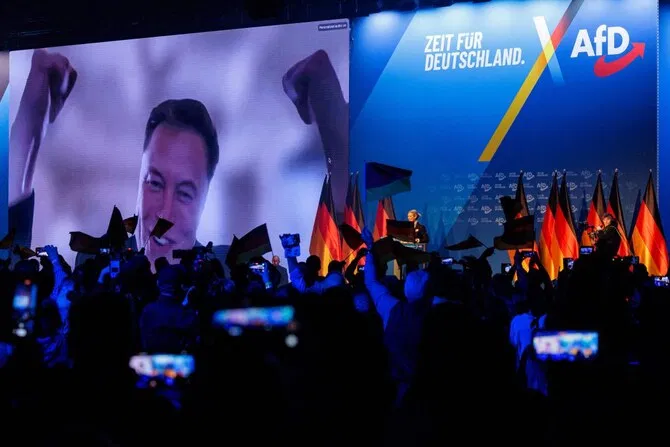 Elastic SlurThe reason nobody can win the 'woke' argument is that both sides are fighting over a different word. An elastic slur stretches until it means simple decency to the people defending it and a rigid hierarchy of oppression to the people attacking it, so the real fight is over who owns the dictionary.
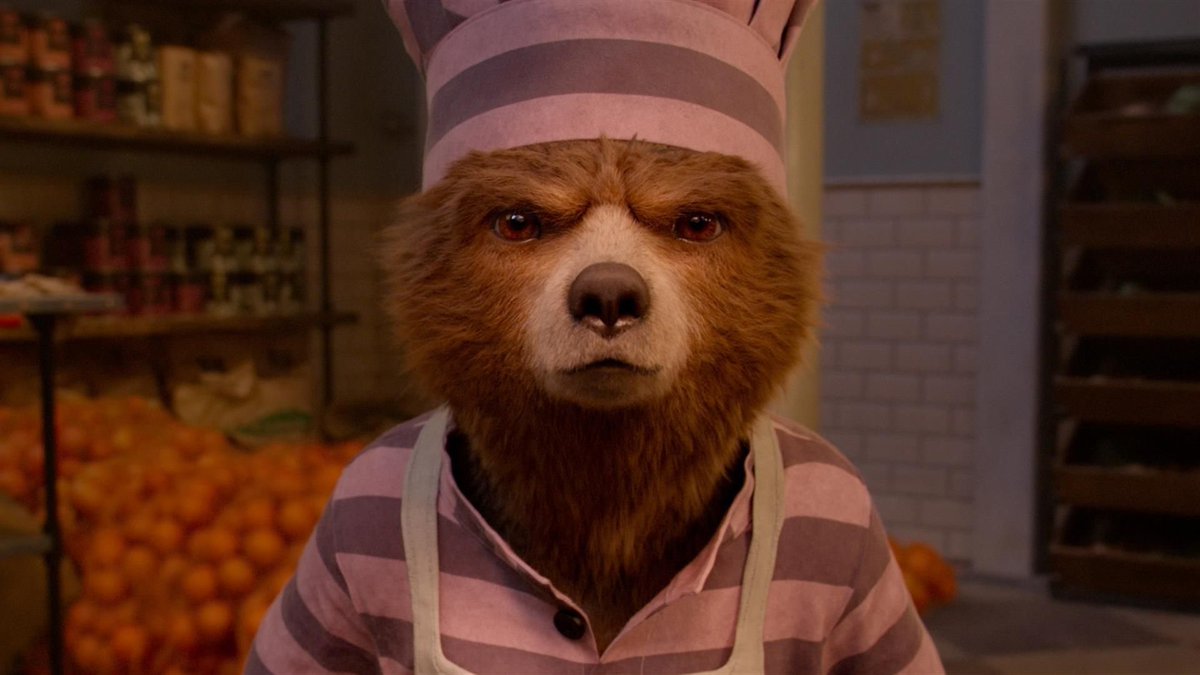 Community Notes (Platform Governance)Community Notes looks like crowdsourced fact-checking. In practice it is how platforms let the majority selectively police narratives that challenge institutions, often burying inconvenient truths under 'context.'
 Naturalistic Fallacy TrapThe naturalistic fallacy used to be a logic error. Now it doubles as a moral weapon that shuts down inquiry by branding findings about human nature 'problematic' before anyone reads them.
 Online Disinhibition EffectThe Online Disinhibition Effect reveals the cost of platforms that reward performative outrage over genuine discourse. It's the internet's tell: what looks like a bug in human behavior is often a feature of algorithmic design.
Gifnotes poster
Sources
- Hazelwood is the training-wheels version of free speech. It’s past time the Court revisited it. - Free Speech Center
- AI chatbots are at risk of spreading government restrictions on online speech, a new study says - AP News
- Are LLMs Stifling Political Speech? An Assessment of How AI Models Protect Free Expression - The Oversight Board
- A Normative Intervention to Reclaim ‘Free Speech’ - | Knight First Amendment Institute
- Why do free speech debates make us so angry? - The Guardian
FAQ
How does the 'free speech absolutist' label affect online debate?
It often stifles nuanced discussion by creating a false dichotomy: either you support total, unregulated speech, or you support strict censorship. This makes it harder to find a middle ground on content moderation.
Who typically uses this label, and why?
It's often used by those advocating for stricter content moderation, including tech platforms, legacy media, and certain political groups. The goal is to delegitimize arguments for less censorship by associating them with an extreme, impractical stance.
What's the practical impact of this labeling on platforms like X (formerly Twitter)?
It allows platforms to justify their moderation decisions, whether increasing or decreasing restrictions, by framing any opposition as either dangerously 'absolutist' or overly censorious, depending on their current policy direction.