Dark Tokens

The take
Big Tech subsidizes massive open-source AI infrastructure to starve out pure-play startups. Dark Tokens are the unmetered, unbilled model runs that never show up as SaaS revenue because the hosting giants absorb the compute cost to choke the competition.
The Tell
Open weights for the press release. You pay the server bill.

Stakes
This hidden compute subsidy masks the true cost of running AI, making it impossible for venture-backed API startups to compete with giants who treat raw intelligence as a loss leader.
Source Dispatch
The read
The mainstream tech press loves to celebrate open-source AI as a democratic triumph of free software over corporate gardens. It looks like a gift, but it is actually a siege strategy.
By offering top-tier models for free and burying the massive compute bill in their existing cloud monopolies, tech giants ensure that smaller players cannot charge enough for their APIs to survive.
To be fair, developers get a fantastic deal in the short term, spinning up massive local pipelines without paying a toll to OpenAI. But this is not a sustainable market equilibrium.
It is predatory pricing disguised as community spirit, designed to make sure the next generation of software is built entirely on subsidized infrastructure. When the subsidy ends or the venture capital dries up, the bill will arrive.
The startups that built their entire stack on unmetered compute will find themselves locked into the cloud ecosystems of the very giants they thought they were bypassing. In the end, there is no such thing as free intelligence; there is only delayed billing.
In the wild
- When you're doing open source, those are dark tokens. Those don't come up as revenue. The only thing you're paying for there is the hosting cost.
Related
 Terminally onlineTerminally Online is when the feed's stakes feel more real than your actual life. Likes, outrage loops, and timeline drama become the OS; IRL is the side quest.
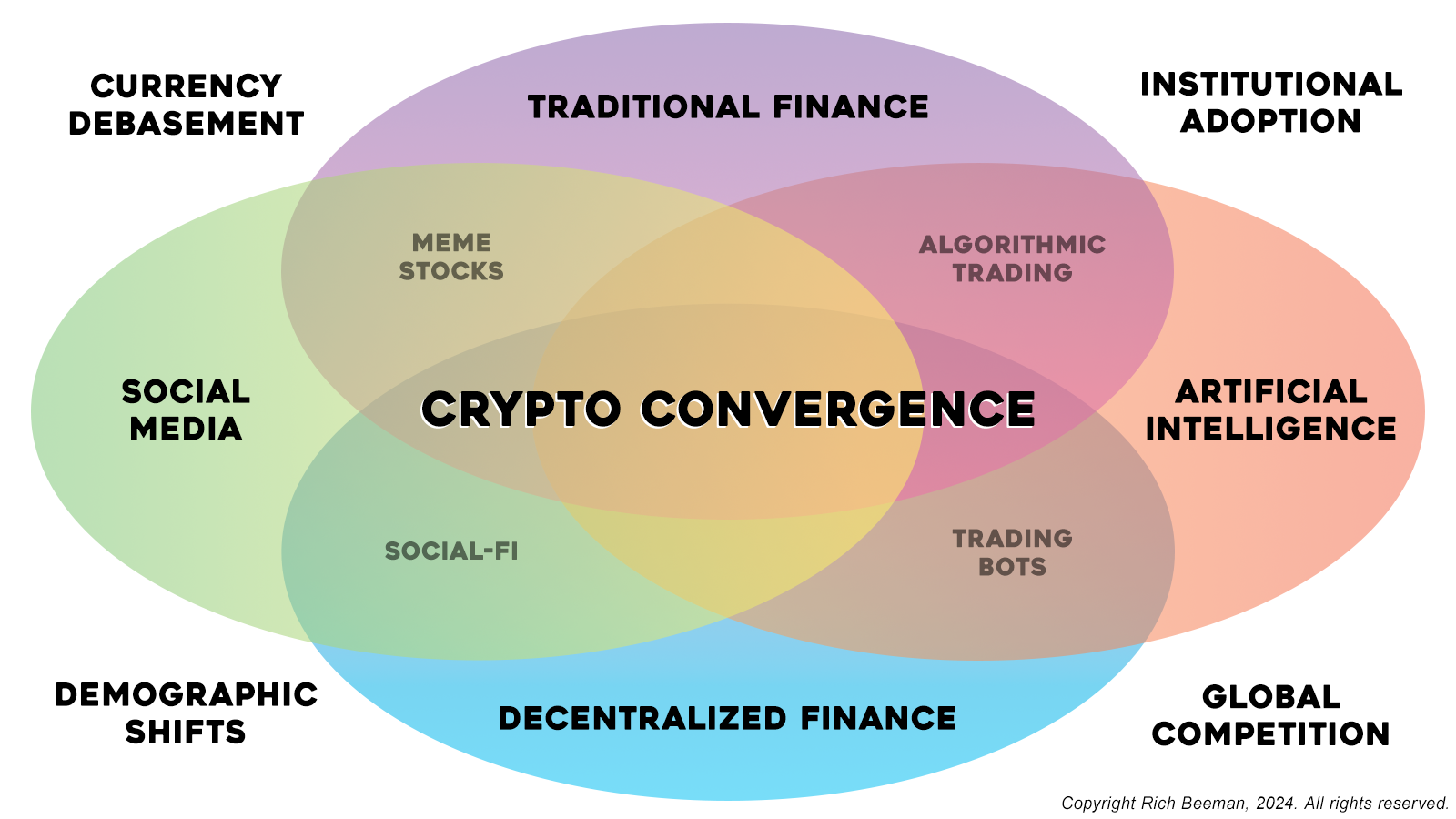 Crypto ConvergenceCrypto Convergence is what happens when DeFi, AI, social media, and TradFi stop pretending they are in different group chats. The winners will not be the slickest tech, they will be whoever owns the plumbing where all four meet, and it probably will not be you.
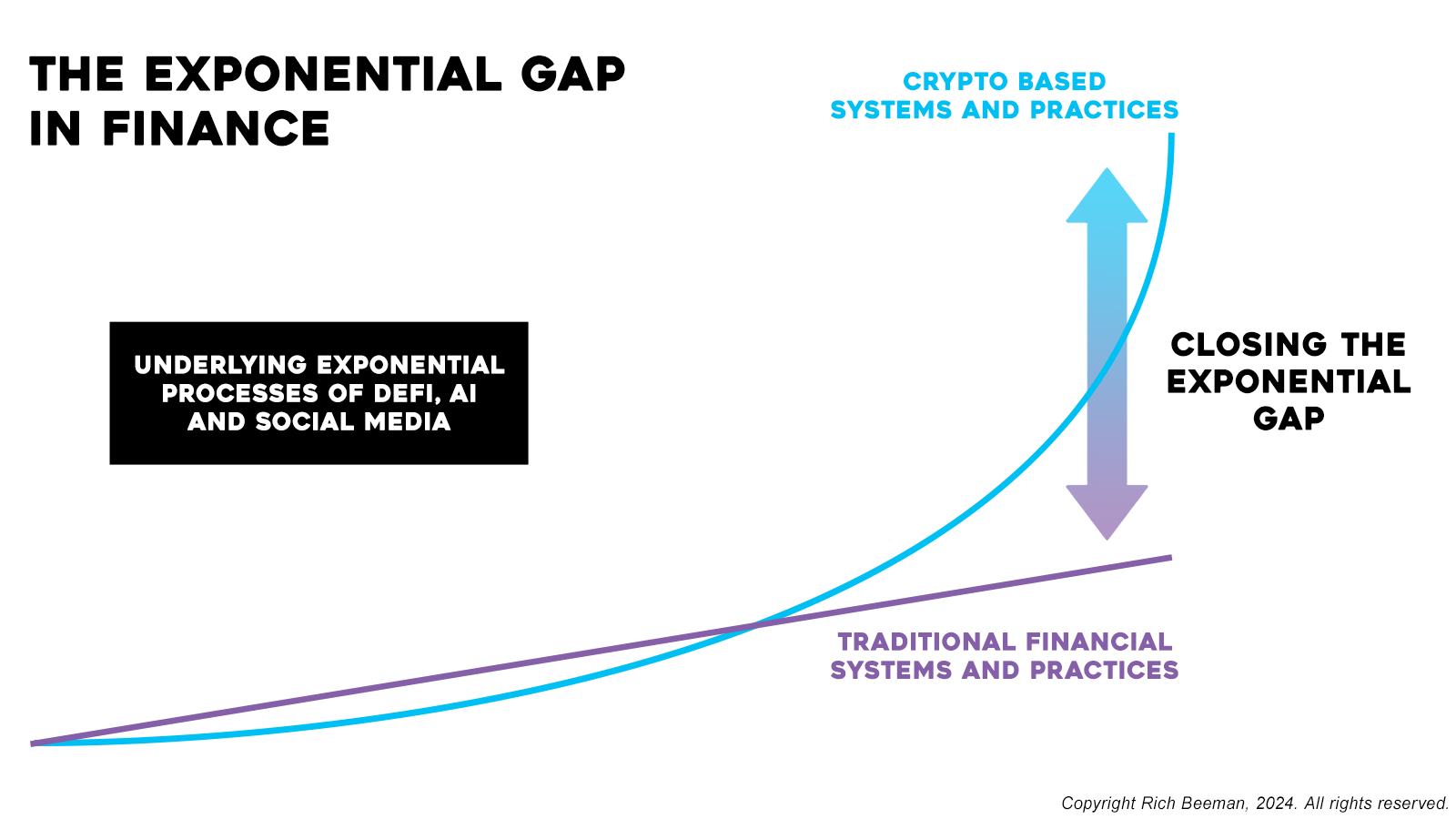 Exponential Gap in FinanceRegulators say 'risk' and mean 'protect the incumbents.' The Exponential Gap in Finance is the widening chasm where legacy finance uses caution theater to slow anything that compounds faster than a quarterly report.
 NewsjackNewsjacking is when a brand or influencer hijacks a trending news story or event to promote their own sh*t. Basically the digital equivalent of an ambulance chaser, but for clicks.
 AI SlopPlatforms pay for volume, so the machine floods your feed with filler until the real stuff drowns. That sludge is AI slop.
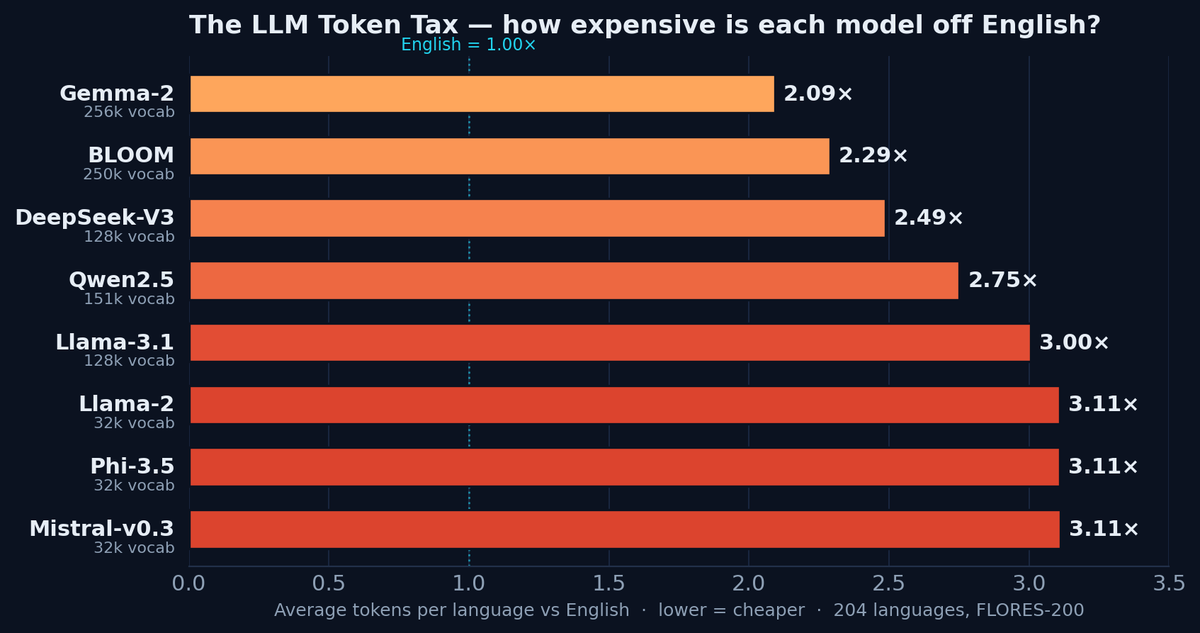 Token TaxAmerican enterprises face a crippling cost penalty called the token tax when protectionist regulations outlaw cheap, open-weight AI and force them to buy high-rent intelligence from closed platform monopolies.
Gifnotes poster
Sources
FAQ
Who is paying for these unbilled model runs?
The world's largest cloud providers absorb the massive electricity and hardware costs, using their legacy enterprise profits to fund the loss leader.
How does this hurt independent AI startups?
It forces them to compete with a price point of zero, making it impossible to raise venture capital or build a sustainable business on API margins.
Is open-source AI actually a trap?
The software is open, but the silicon is private. Relying on subsidized hosting means you are renting your business model from a landlord who can raise the rent at any moment.