
Intent-Based Model

The take
AI companies pitching the Intent-Based Model want you to believe they are liberating your screen from app clutter, but the real risk is that they are just trying to bypass the App Store tax on a device they don't own.
The Tell
AI startups invented intent-based computing to escape the App Store, only to realize Apple still owns the glass.

Stakes
The transition from tapping manual app grids to letting an AI agent execute your intent threatens to turn the entire mobile software economy into backend plumbing, sparking a high-stakes turf war over who controls the physical glass in your hand.
Source Dispatch
The read
The dream of intent-based computing is beautiful on paper. Instead of opening three different apps to book a flight, reserve a table, and text your group chat, you simply tell a single conversational interface what you want done.
Startups like OpenAI and Anthropic want this layer to become your primary operating system, turning massive platforms like Apple and Google into mere utility pipes.
But the tech giants are not about to let a conversational wrapper slide between them and their customers. Apple and Google built their empires on the thirty percent toll booth of the app store, and they own the actual silicon and glass you use to type those prompts.
They have already started baking their own AI directly into the system level, ensuring that any third-party intent engine is starved of the deep device access it needs to actually be useful. This leaves independent AI developers in a brutal trap.
They can either build specialized, niche hardware bricks that consumers do not want to carry, or they can bend the knee to the platform duopoly.
This leaves independent AI developers in a brutal trap.
The future of software is not a frictionless utopia; it is a locked-down ecosystem where your intent is heavily filtered by whoever owns the physical screen.
In the wild
- David Imel on The Vergecast: 'The main paradigm shift that a lot of these companies are trying to do is that they're trying to move from a tool-based model to an intent-based model, where you can use natural language and your intent becomes the thing, and then the apps become the piping.'
- Apple introduces Apple Intelligence to route user requests directly through iOS, bypassing the need for third-party orchestrators.
- Google integrates Gemini deep into the Android operating system to handle multi-app tasks before they can reach external AI agents.
- Episode: Why the AI Hardware Revolution is Trapped in a Smartphone Body (https://www.youtube.com/watch?v=8sf04IXjD1M)
- The main paradigm shift that a lot of these companies are trying to do is that they're trying to move from a tool-based model... to an intent-based model.
Related
 AI SlopPlatforms pay for volume, so the machine floods your feed with filler until the real stuff drowns. That sludge is AI slop.
 SaaspocalypseThe joke stopped being a joke. Vibe-coded custom tools are eating the monthly SaaS stack one workflow at a time. That slaughter is Saaspocalypse.
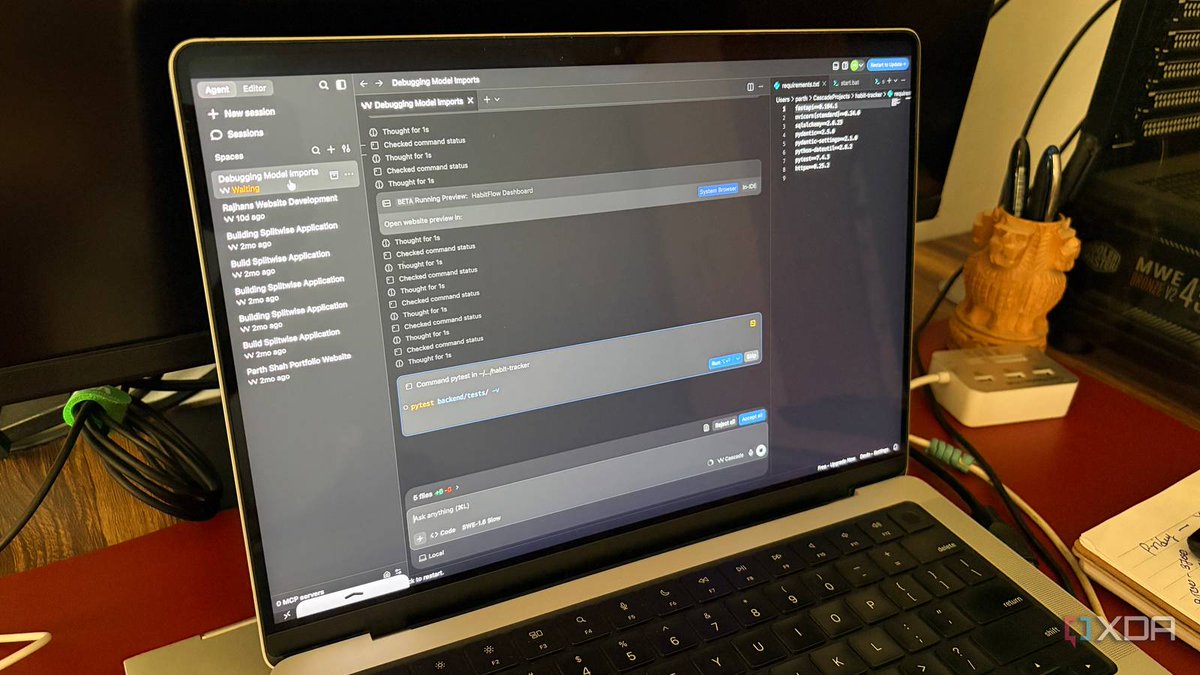 Vibe CodingVibe coding was sold as everyone becoming a software mogul. What it actually does is liquidate entry-level coding jobs and leave the high-agency architect as the only adult in the room who can debug the beautiful mess a model spat out in three seconds.
 Terminally onlineTerminally Online is when the feed's stakes feel more real than your actual life. Likes, outrage loops, and timeline drama become the OS; IRL is the side quest.
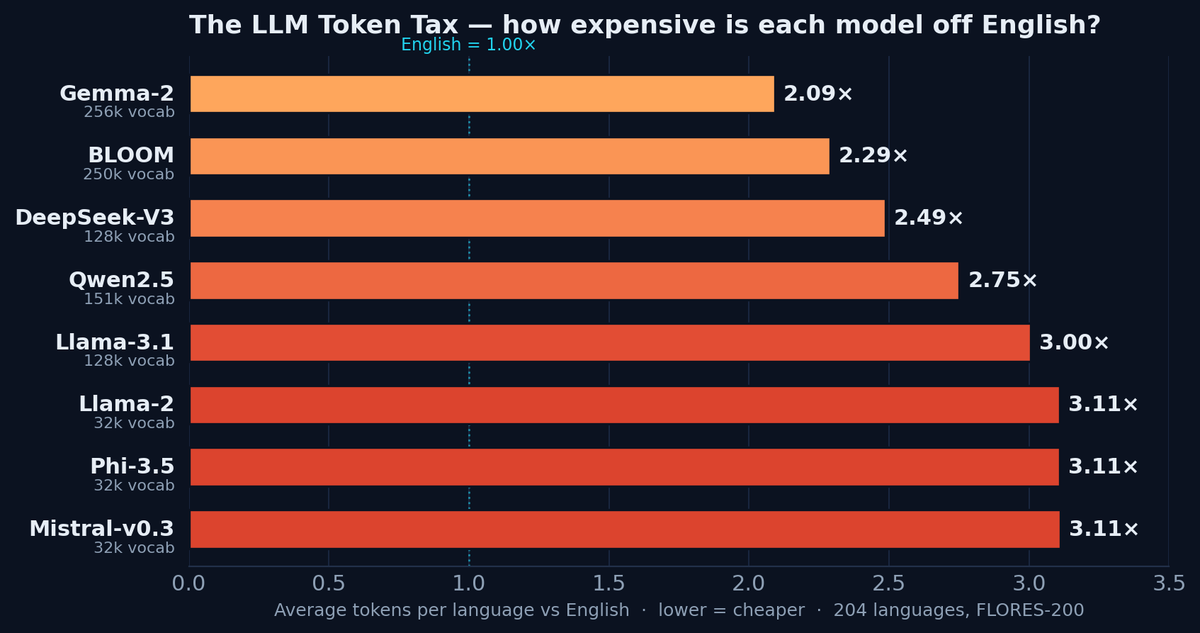 Token TaxAmerican enterprises face a crippling cost penalty called the token tax when protectionist regulations outlaw cheap, open-weight AI and force them to buy high-rent intelligence from closed platform monopolies.
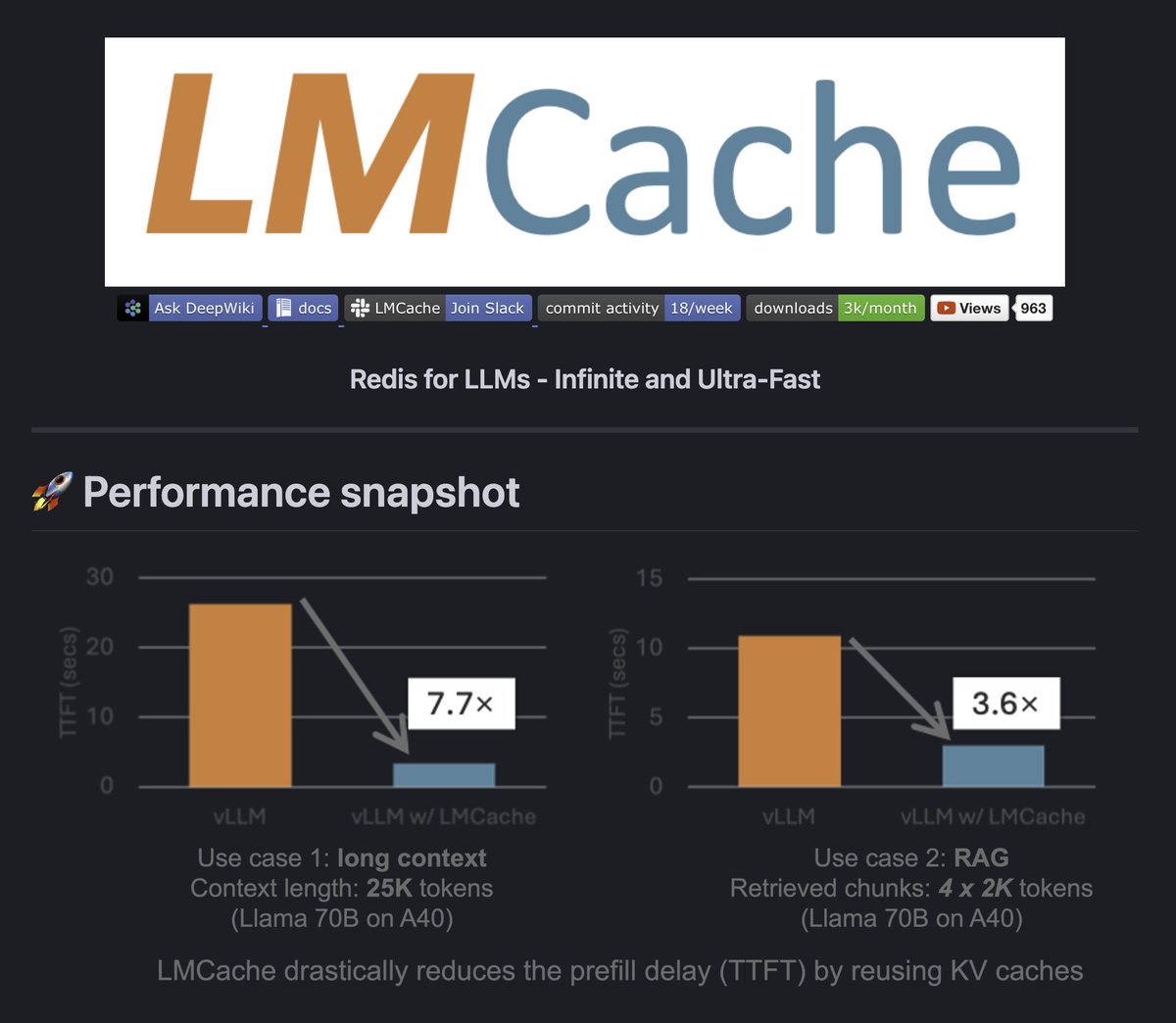 Amorphous UtilityBuilding a needy digital companion misjudges what consumers actually want: an invisible, silent background utility that does the job and gets out of the way.
Gifnotes poster
Sources
FAQ
What is the difference between a tool-based model and an intent-based model?
A tool-based model requires you to manually open, navigate, and coordinate different apps to get something done. An intent-based model lets you state your goal in plain English, leaving the AI to run the apps in the background as silent infrastructure.
Why are Apple and Google fighting this transition?
Because their entire business model relies on you staring at an app grid, viewing ads, and paying a thirty percent tax on in-app purchases. If an AI layer handles all your interactions, the App Store monopoly evaporates.
Can AI hardware startups bypass the phone entirely?
They tried, but dedicated AI pocket devices proved that consumers do not want to carry a second, slower brick just to avoid using their smartphones. The battle remains locked on the glass owned by the mobile duopoly.