
Smart Distillation

The take
Proprietary AI cartels risk losing their multi-billion-dollar moats because smart distillation allows any agile competitor to siphon the reasoning patterns of a frontier model for the price of a few API calls.
The Tell
Smart distillation: spending $100 billion to train a frontier AI just to have a competitor siphon its brain via API.

Stakes
Silicon Valley's massive capital-intensive models have accidentally become unpaid R&D labs for the rest of the world, turning strict API terms of service into unenforceable suggestions.
Source Dispatch
The read
The mainstream consensus insists that massive compute budgets and proprietary training data will protect closed-source AI giants from being copied.
They build high digital walls, charge subscription fees, and write lengthy terms of service forbidding customers from using their outputs to train competing systems.
But an API is not a secure vault; it is a training data firehose. Smart distillation flips the economic script by using elite models as logical tutors to upgrade cheap, localized, open-weights models.
Instead of spending $100 billion to discover how a neural network reasons, competitors simply pay a few thousand dollars in API fees to clone the cognitive blueprint. This technical loophole has completely commoditized raw intelligence.
Agile foreign labs like DeepSeek and Kimi are bypass-engineering the costly trial-and-error phase of AI development, forcing closed-source incumbents like OpenAI and Google to watch their pricing power evaporate in real time.
In the wild
- Chinese AI labs like DeepSeek and Moonshot (Kimi) use smart distillation off Western APIs to commoditize raw intelligence.
- US tech incumbents are rapidly shifting from warning about open-source dangers to forming open-weights alliances to avoid total irrelevance.
- AI researchers note that dismissing foreign model breakthroughs as simple IP theft ignores the highly sophisticated math of algorithmic guidance.
- Episode: The Open-Source Capitulation (https://www.youtube.com/watch?v=tFfNzGUsmdw)
- smart distillation
Related
 AI SlopPlatforms pay for volume, so the machine floods your feed with filler until the real stuff drowns. That sludge is AI slop.
 SaaspocalypseThe joke stopped being a joke. Vibe-coded custom tools are eating the monthly SaaS stack one workflow at a time. That slaughter is Saaspocalypse.
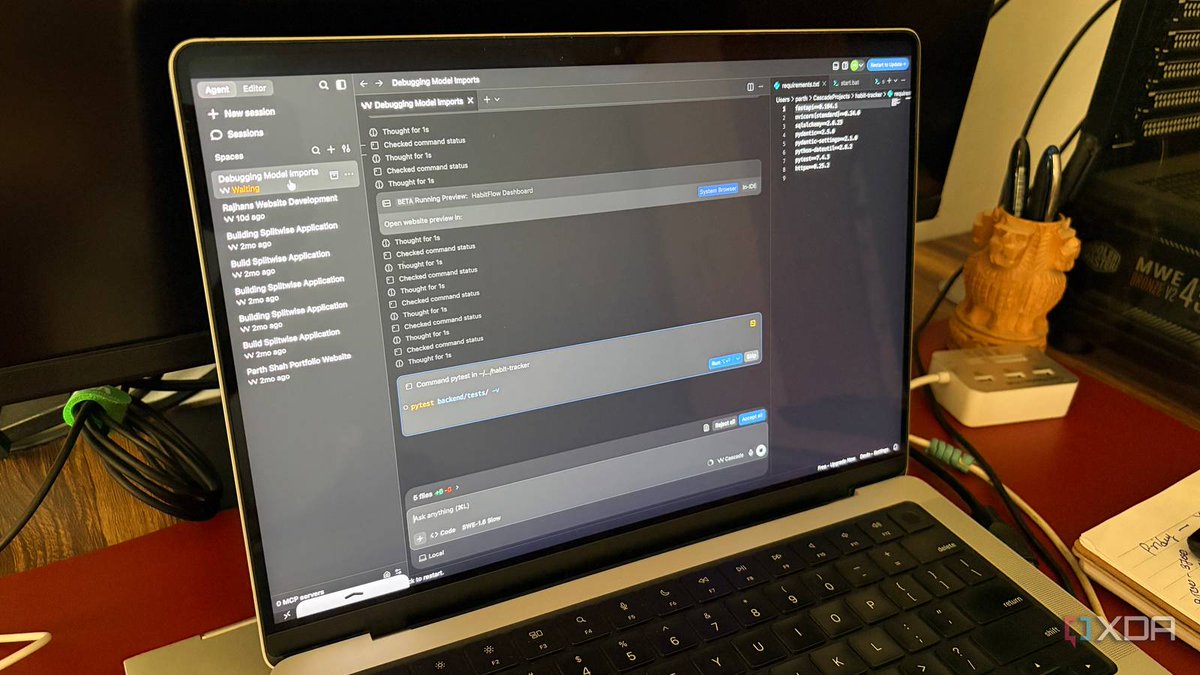 Vibe CodingVibe coding was sold as everyone becoming a software mogul. What it actually does is liquidate entry-level coding jobs and leave the high-agency architect as the only adult in the room who can debug the beautiful mess a model spat out in three seconds.
 Terminally onlineTerminally Online is when the feed's stakes feel more real than your actual life. Likes, outrage loops, and timeline drama become the OS; IRL is the side quest.
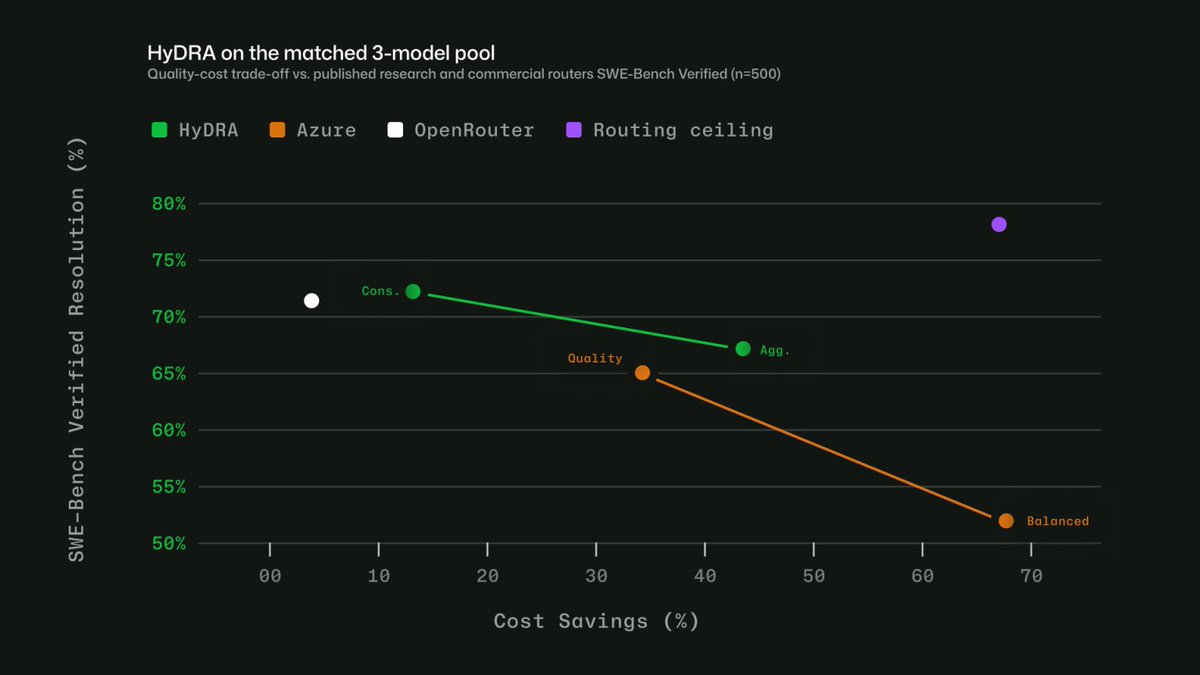 Intent-Based ModelAI companies pitching the Intent-Based Model want you to believe they are liberating your screen from app clutter, but the real risk is that they are just trying to bypass the App Store tax on a device they don't own.
 Distillation AttacksBig Tech spent a fortune teaching the model to lecture you. Distillation attacks are the $20 API receipt that proves those manners were a costume: clone the brain, peel off the HR, keep the IQ.
Gifnotes poster
Sources
FAQ
What is smart distillation in AI?
Smart distillation is the process of using a massive, highly expensive proprietary model as a logical tutor to train a smaller, cheaper, open-weights model. Instead of feeding raw internet data to a new system, developers feed it the refined reasoning outputs of an elite model, siphoning its cognitive abilities at a fraction of the original R&D cost.
Why can't proprietary AI companies stop this?
While companies like OpenAI and Google forbid using their API outputs for model training in their terms of service, enforcement is practically impossible. Once the API data is delivered to a customer, there is no digital watermark or forensic trail that can prove those outputs were used to fine-tune a competitor's private, localized weights.
How does smart distillation impact the AI market?
It completely destroys the software moats of closed-source tech giants. By allowing anyone to clone the reasoning capabilities of a hundred-billion-dollar model for the price of a used car, smart distillation commoditizes intelligence and strips the incumbents of their pricing power.
Is smart distillation just intellectual property theft?
No, it is a sophisticated transfer of algorithmic guidance. While it bypasses the massive capital expenditures of initial training, it relies on advanced mathematical translation to compress and optimize the logic of a giant model into a highly efficient, native open-source alternative.
Who benefits most from this technical loophole?
Agile developers, open-source communities, and foreign competitors like DeepSeek. They can bypass the astronomical cost of frontier hardware clusters and leapfrog straight to state-of-the-art reasoning performance by letting Silicon Valley pay the initial R&D bill.